


Prediction markets moved deeper into the mainstream in March as trading activity climbed to fresh records.
The surge was driven by easier access, broader media visibility, and rising demand for contracts linked to politics and geopolitical risk.
A report from TRM Labs shows the sector’s rapid expansion is being driven less by crypto-native themes and more by macroeconomic and real-world event speculation.
This shift is reshaping how these platforms are being used.
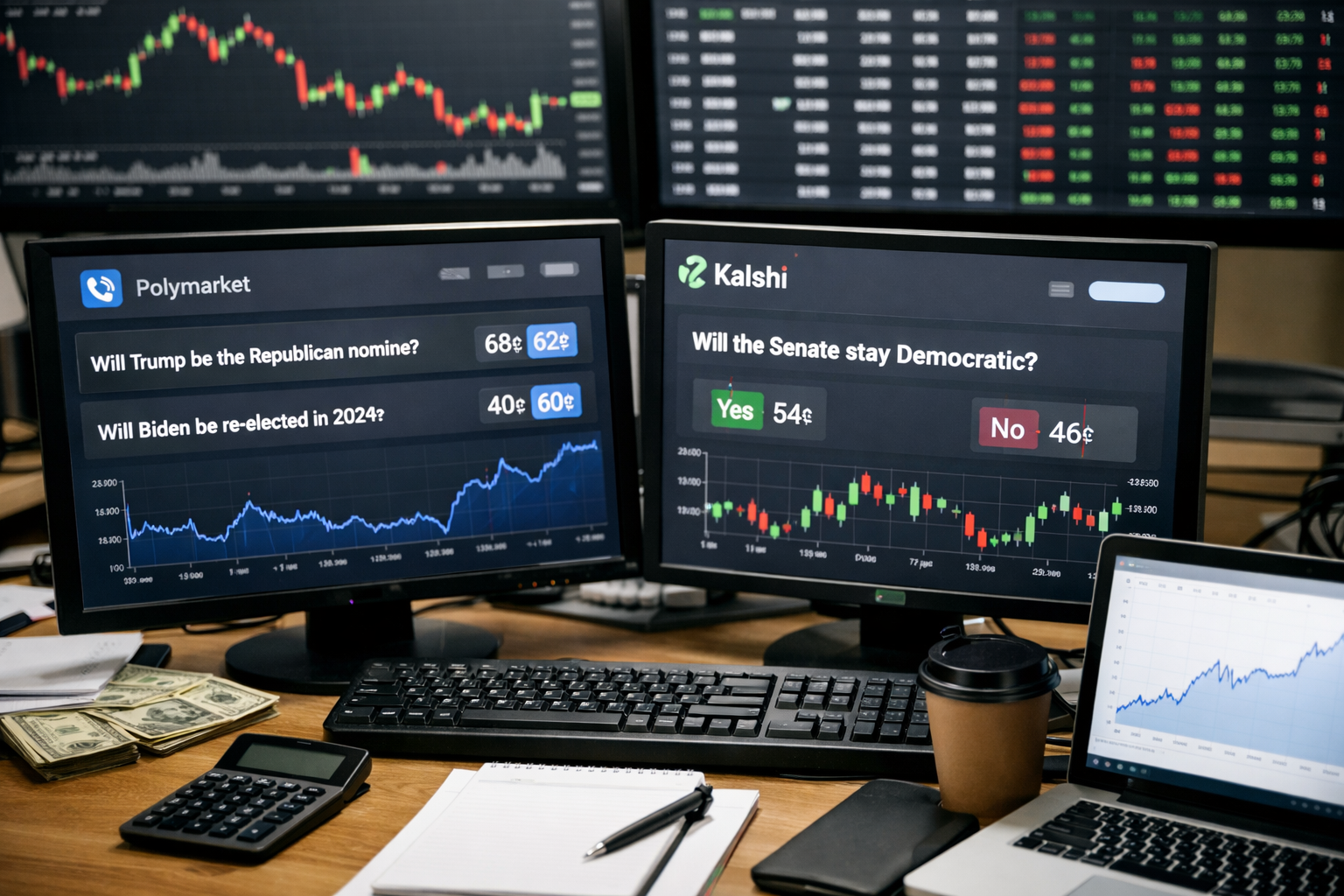
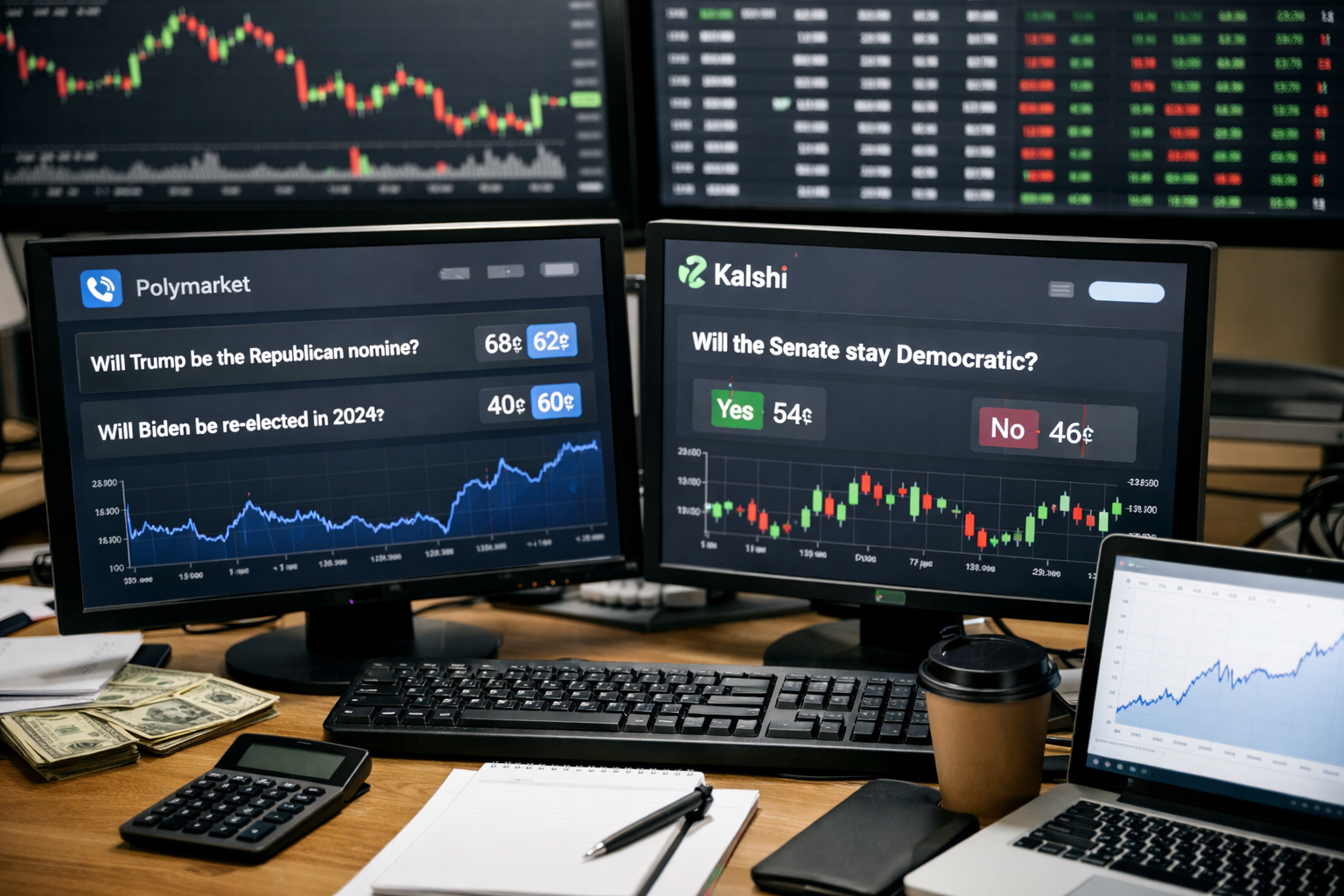
Platforms such as Polymarket and Kalshi are increasingly being treated as live sentiment dashboards, with odds now surfacing across mainstream financial media and Google Finance integrations.
TRM said improved accessibility, clearer regulatory pathways, and partnerships with major consumer platforms have widened participation well beyond traditional crypto traders.
March activity accelerates
According to data from Dune Analytics, total transactions crossed 191 million in March so far, marking a growth of more than 2,800% from the same period a year ago.
Monthly notional volume reached about $23.9 billion, sharply higher than the $1.9 billion seen last year, although still roughly 12% below January’s all-time peak.
The rise has not come solely from larger wagers.
Monthly unique wallets tripled to nearly 840,000 by February 2026, suggesting that growth is being driven by a wider user base entering the market.
TRM described this as evidence of broad participant expansion rather than simply bigger positions from existing traders.
The increase in wallet activity also suggests that both retail and institutional users are becoming more comfortable with these contracts as fast-moving information tools.
This trend is especially visible during volatile news cycles, particularly around elections and major policy decisions.
Politics and geopolitics dominate
The strongest demand is now concentrated in contracts tied to US politics, leadership changes, and international flashpoints.
On Polymarket, the highest-volume contracts on Monday focused on US party nominations for the 2028 presidential race and whether Israeli Prime Minister Benjamin Netanyahu will remain in office through the end of the year.
TRM noted that crypto-native markets remain active, but their share of total volume has fallen as users increasingly turn to event contracts linked to macroeconomic and geopolitical developments.
This shift also reflects growing trust in prediction markets as rapid indicators of crowd consensus during elections, policy shifts, and international crises.
This is especially true when traditional polling or forecasting tools lag behind fast-changing events.
The trend is also drawing attention from hedge funds, researchers, and political analysts seeking real-time probability signals.
Scrutiny intensifies
The sector’s expansion has also brought heavier regulatory and legal scrutiny.
Several US states have challenged whether event-based contracts resemble unlicensed gambling products, while concerns tied to insider trading and compliance continue to shadow the industry.
Both Kalshi and Polymarket have already announced additional guardrails, including tighter monitoring, risk controls, and stronger market integrity measures.
TRM said the way platforms manage compliance, market fairness, and state-level legal challenges will be central to determining whether current growth rates can be sustained over the coming months.
The post Prediction markets surge as Polymarket, Kalshi hit record volumes appeared first on Invezz

