


Elsewhere, there is room for the game to grow. Hosting the 2002 competition was instrumental in boosting the sport’s popularity in Japan and South Korea, and Asia needs more such opportunities rather than sportswashing projects in the Middle East.
No Southeast Asian country has ever made it to the finals save Indonesia (then the Dutch East Indies) at the third-ever tournament in 1938. That’s one reason to cheer a mooted joint bid for the 2046 tournament, which could also include Thailand, Malaysia and Singapore as well as Japan, South Korea, and China – though, let’s see how long that aspiration survives contact with political reality.
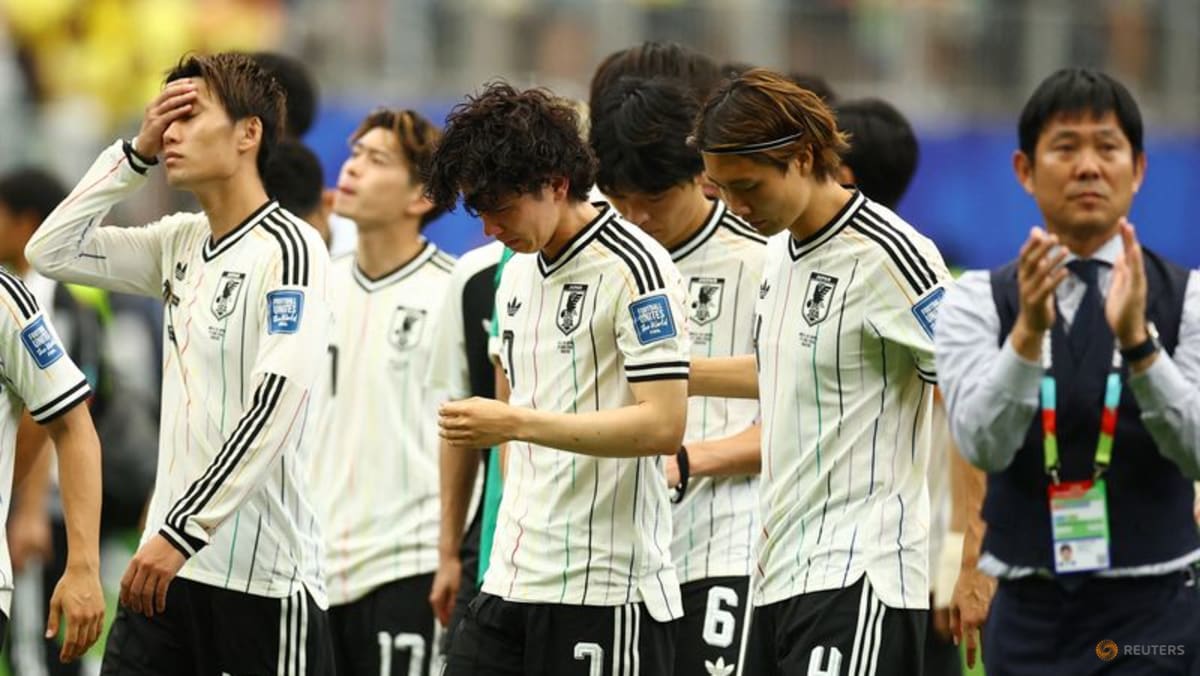
Proximity to the game’s highest levels might be key. These days, almost all Japan’s players ply their trade at European clubs, like their opponents. The Japanese football association should prioritise creating a generation of elite Japanese coaches just as it has players.
Geography also helps African teams. Players, coaches and federations are plugged into Europe’s most competitive systems, while significant numbers of players from Morocco, Senegal and Algeria were born in Europe.
In modern football, the diaspora is a development model that Asia has much less access to. If anything, 2026 has shown that the future of football is not in Asia yet.

