


“NO RESPONSE”
With mortuaries overflowing with the dead, Nepal has begun burying some of the hundreds of bodies recovered after taking DNA samples so families can later retrieve them.
Kathmandu has appealed for international support, saying Nepal needed “more than a thousand” freezer units to store bodies.
Distraught families, desperate for news of missing relatives, are watching images of bodies on screens at community centres in a bid to identify the dead.
Shobha Adhikary, in the southern Nepali city of Bharatpur, told a local coordinator she believed one image showed her childhood best friend.
“It looks like him, for sure,” she said, showing a photograph of a smiling, middle-aged man.
“My husband and I are best friends with Rajkumar and his wife Geeta,” she said. Geeta has also been missing since Wednesday.
Among Nepal’s list of the missing are 592 foreigners, including tourists who had come for trekking in its apparently serene mountains, and Hindu pilgrims seeking spiritual peace at Tibet’s sacred Mount Kailash.
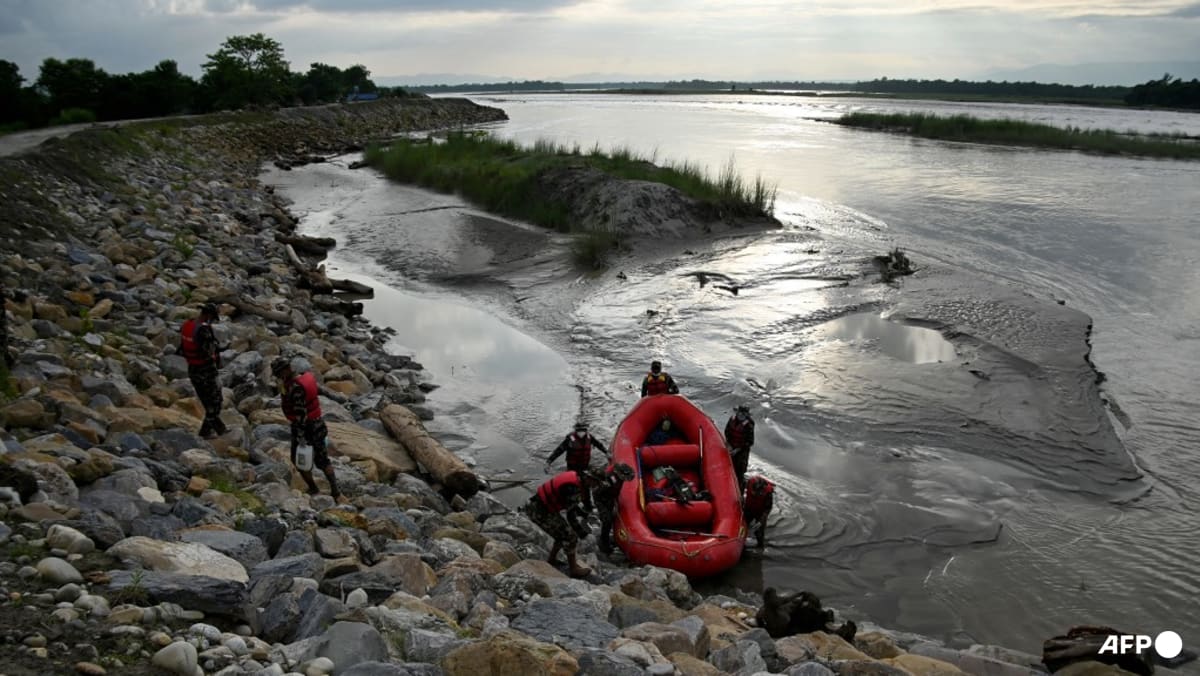
Nepali army rescuers said on Monday that their teams were working to “clear water, mud and sediment” as they dug to reach around 100 workers that the government believes may be alive inside multiple tunnels.
They are among the 933 workers at hydropower plants unaccounted for in Nepal. Workers who managed to get out described horrifying scenes when the disaster struck.
At the Upper Trishuli 3A site, rescuers broke through into the upper part of a mud-swamped tunnel, pumping air inside, then using drilling and excavator machines to dig down.
“When members of the team descended using ropes and called out to those inside, there was no response,” Shah said, adding that the rescue operation was continuing.

