


NEWYou can now listen to Fox News articles!
A shorter shelf life may make food seem fresher and healthier, but new research suggests that may be more perception than reality.
A study from the University of British Columbia (UBC) Sauder School of Business in Canada found that many shoppers use a food’s shelf life as a shortcut for judging how natural it is, even though longer shelf lives can reflect factors beyond heavy processing.
The team, which included researchers from China, conducted a series of experiments in which participants compared foods with different shelf lives, including potato chips, pasta sauce, mayonnaise and granola bars.
YOUR BRAIN MAY BE TRICKING YOU INTO LIKING ARTIFICIAL SWEETENERS, STUDY FINDS
Shoppers consistently viewed foods with shorter shelf lives as more natural and healthier, even when the ingredients and nutritional facts were nearly identical or the difference in shelf life was solely due to better packaging.

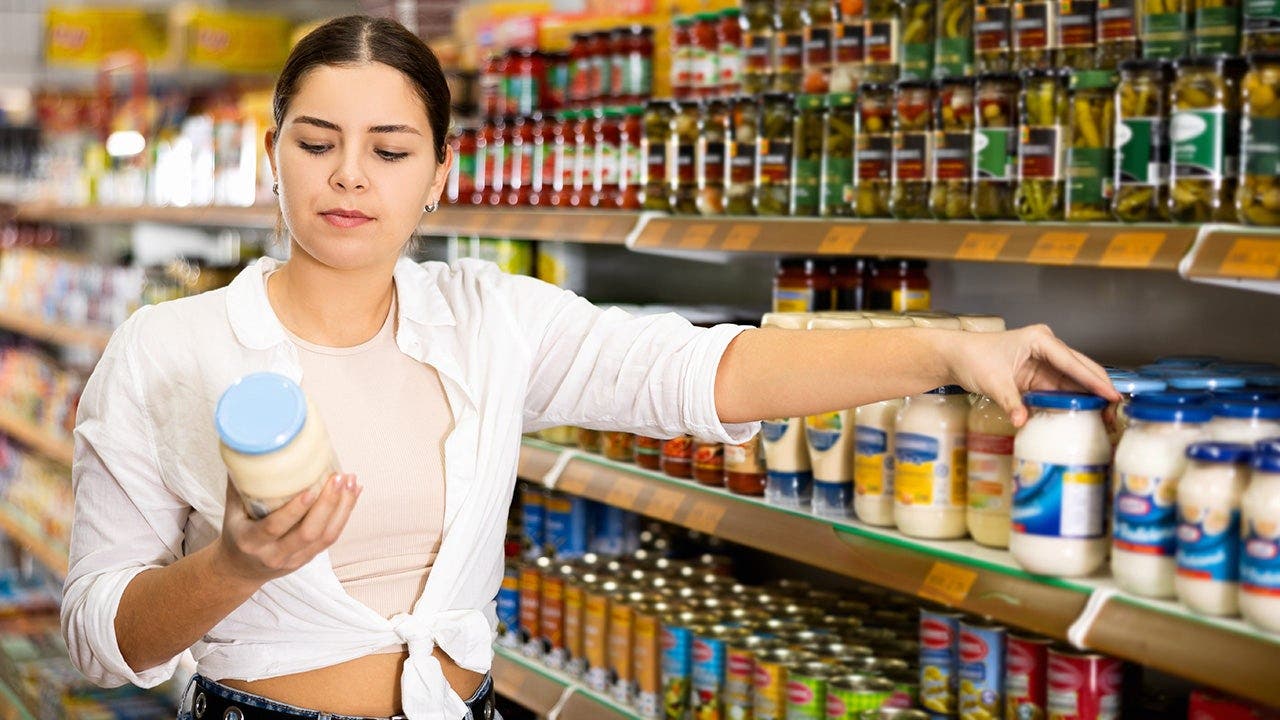
Packaged foods with longer shelf lives may be perceived as less natural, even when the difference is simply better packaging, new research found. (iStock)
In the case of the mayonnaise, the only difference between the two products was that one had a better seal, allowing it to stay fresh longer — it was no more processed than the other. Yet participants still viewed the shorter-shelf-life option as more natural.
Even when they were given clear indications that a longer-lasting product just had better packaging, shoppers still used shelf life as a gauge, the researchers found.
JUST ONE SMALL SERVING OF ULTRA-PROCESSED FOOD A DAY LINKED TO HIGHER DISEASE RISK, MAJOR STUDY FINDS
In other experiments, participants rated potato chips with a five-month shelf life as more natural and healthier than nearly identical chips with a nine-month shelf life.

Products such as mayonnaise might last longer simply because of improved packaging, not because they contain more preservatives. (iStock)
Nearly 70% of participants selected a pasta sauce with a one-year shelf life when they were encouraged to prioritize natural foods.
That figure dropped to 43% when the emphasis shifted to reducing food waste and protecting the environment, as the researchers found that participants also associated longer shelf life with less waste because items wouldn’t go bad as quickly.
The findings, published in the Journal of Consumer Psychology earlier this year, suggest shoppers often use shelf life as a “mental shortcut” when making purchasing decisions, researchers said.
AMERICANS ARE DITCHING ULTRA-PROCESSED SNACKS FOR AN ANCIENT FRUIT THAT’S EXPLODING IN POPULARITY
“Our research shows consumers are using shelf life as a shortcut for judging whether foods are natural,” co-author Yann Cornil, an associate professor at UBC Sauder, told Fox News Digital.
“It sometimes can be diagnostic, but shelf life is also very much dependent on the quality of the packaging, which has nothing to do with food naturalness.”
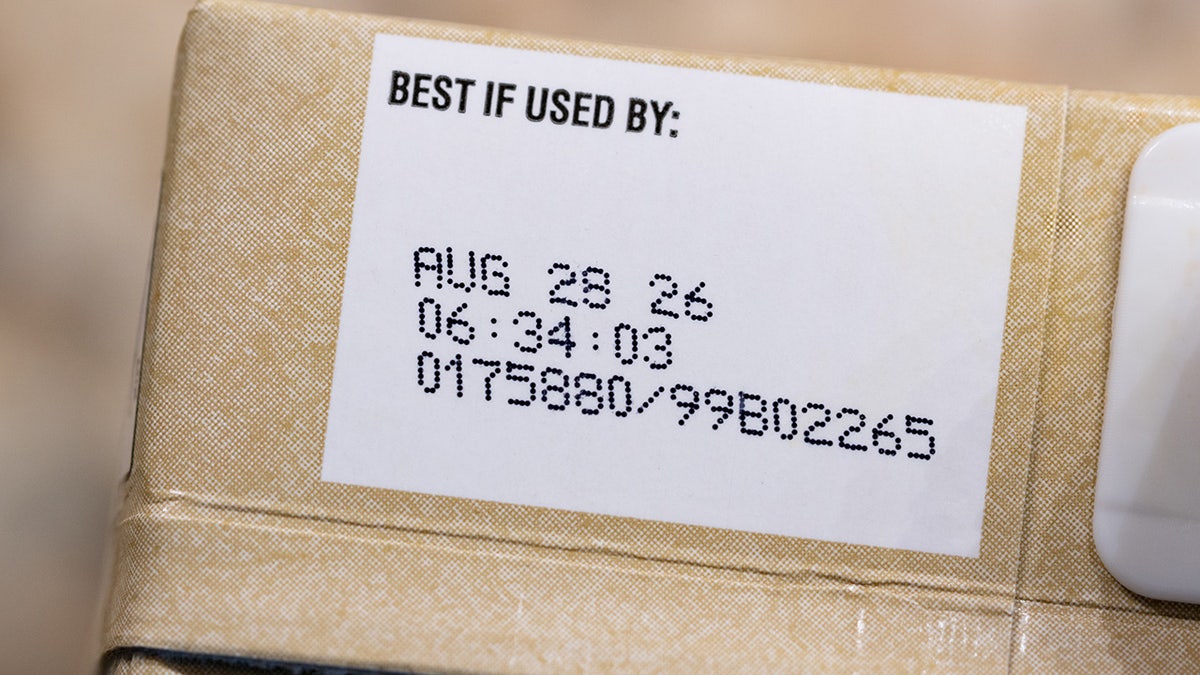
Better seals and moisture-controlled packaging can extend a food’s freshness without adding preservatives. (iStock)
Cornil added that the shortcut can be “misleading.”
THIS AMOUNT OF DELI MEAT ASSOCIATED WITH HIGHER DEMENTIA RISK IN COMPELLING NEW REVIEW
Packaging has improved dramatically, he noted, just like refrigeration did 60 years ago, to improve food preservation.
“Don’t judge a food by its shelf life.”
The tendency to equate a shorter shelf life with less processing may have unintended consequences, according to the researchers. Buyers may therefore skip products that are just as healthy while choosing items that are more likely to spoil before they can be eaten.
Products like canned beans, frozen fruits and vegetables and dried oats can stay fresh for months or even years thanks to preservation methods and packaging rather than added ingredients.
CLICK HERE FOR MORE LIFESTYLE STORIES
“A shorter shelf life does not automatically mean a food is healthier,” Kelly Springer, a New York-based registered dietitian and founder and CEO of Kelly’s Choice, told Fox News Digital. “Better seals, oxygen barriers and moisture-control packaging help foods stay fresh longer while maintaining quality and safety.”
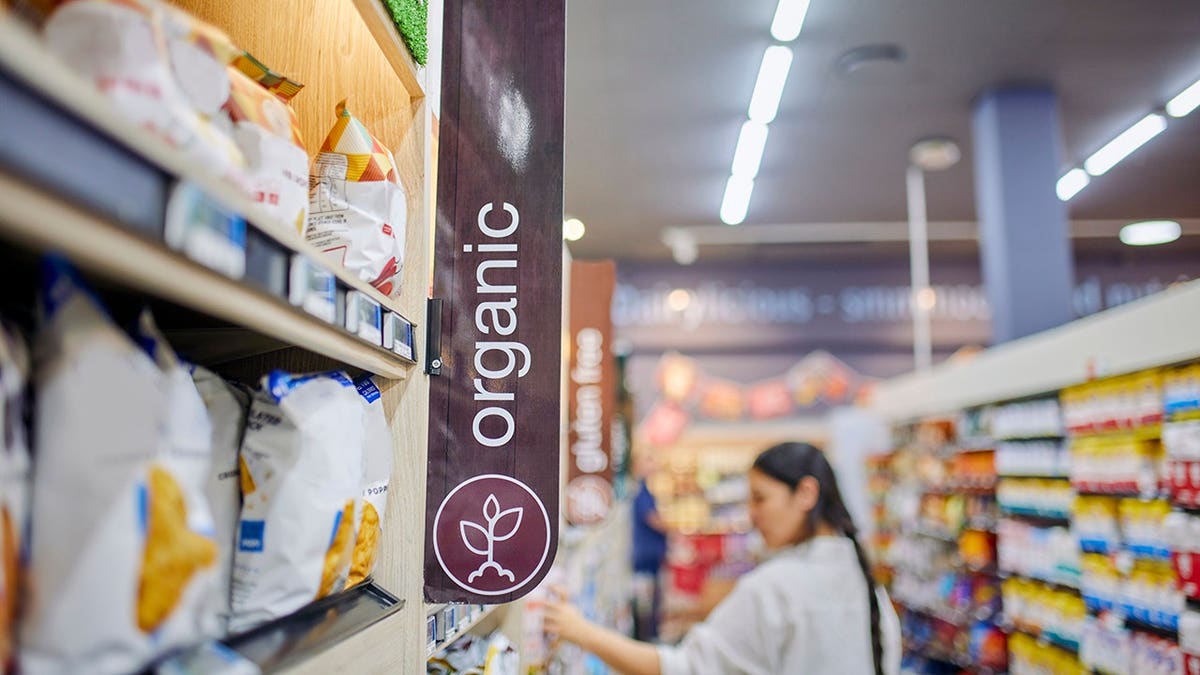
Products with longer shelf lives may still be healthy choices, as packaging and preservation methods can help foods stay fresh longer. (iStock)
Springer pointed to some packaged items such as guacamole, which can have a longer refrigerated shelf life because of high-pressure processing and packaging technology rather than added preservatives, yet are still healthy choices.
Other items such as milk, yogurt and kefir can stay fresh longer due to pasteurization and fermentation — not necessarily added ingredients.
TEST YOURSELF WITH OUR LATEST LIFESTYLE QUIZ
“Don’t judge a food by its shelf life,” Springer, who was not involved in the research, added. “Turn the package over, read the nutrition label and make decisions based on what’s inside.”
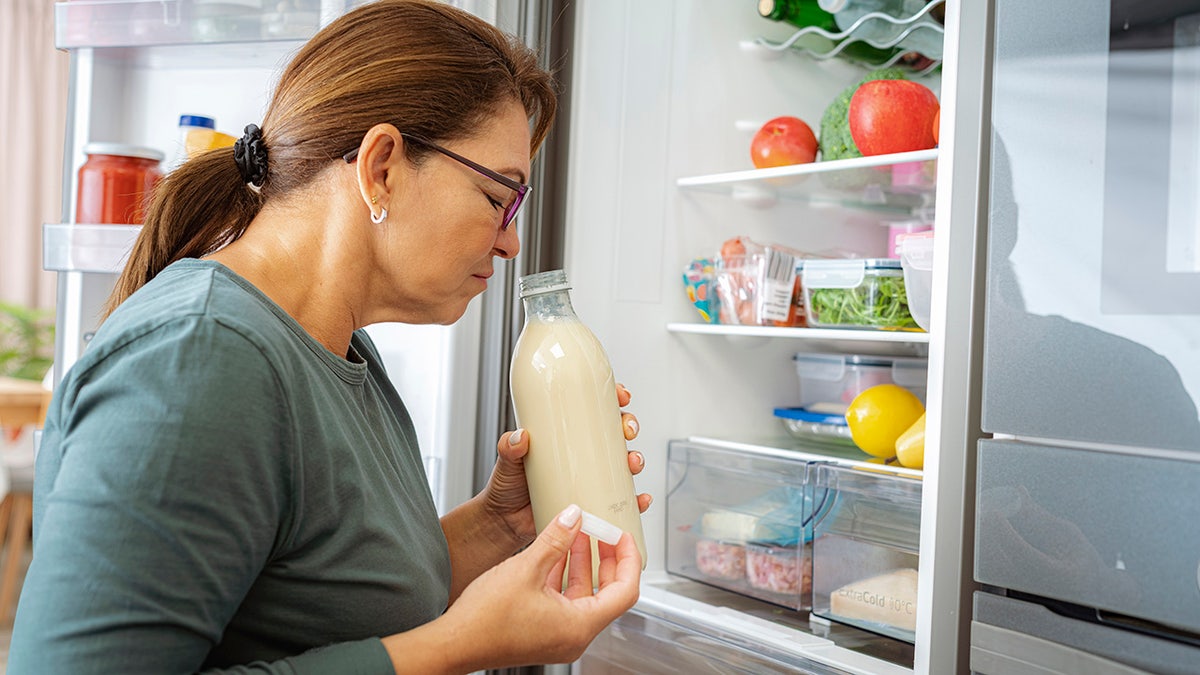
Dairy products such as milk, yogurt and kefir can stay fresh longer because of pasteurization and fermentation. (iStock)
She recommends consumers focus on fiber, protein, added sugar and sodium rather than the expiration date alone.
CLICK HERE TO SIGN UP FOR OUR LIFESTYLE NEWSLETTER
Cornil added that saturated fat content can also be problematic.
“Too many ingredients, in particular ingredients [such as] additives and preservatives that you can’t recognize, or can’t even pronounce, may be a signal of too much processing and unhealthiness,” Cornil said. “It’s not always true, but I would say that it is more diagnostic than shelf life information.”
CLICK HERE TO DOWNLOAD THE FOX NEWS APP
The findings are especially relevant as many seek to reduce how much ultra-processed food they eat. Roughly 55% of Americans’ daily caloric intake is from ultra-processed foods, the researchers noted.

