


“There are risks that we face ahead,” Mapa said, citing the El Nino dry spell now starting to affect the country’s food supply as well as rising energy commodity prices.
The inflation data was released two weeks after the central bank raised its key lending rate by a substantial 50 basis points to 5.50 per cent.
The bank said it needed a “strong monetary policy response to broadening price pressures and further upside risks to inflation”.
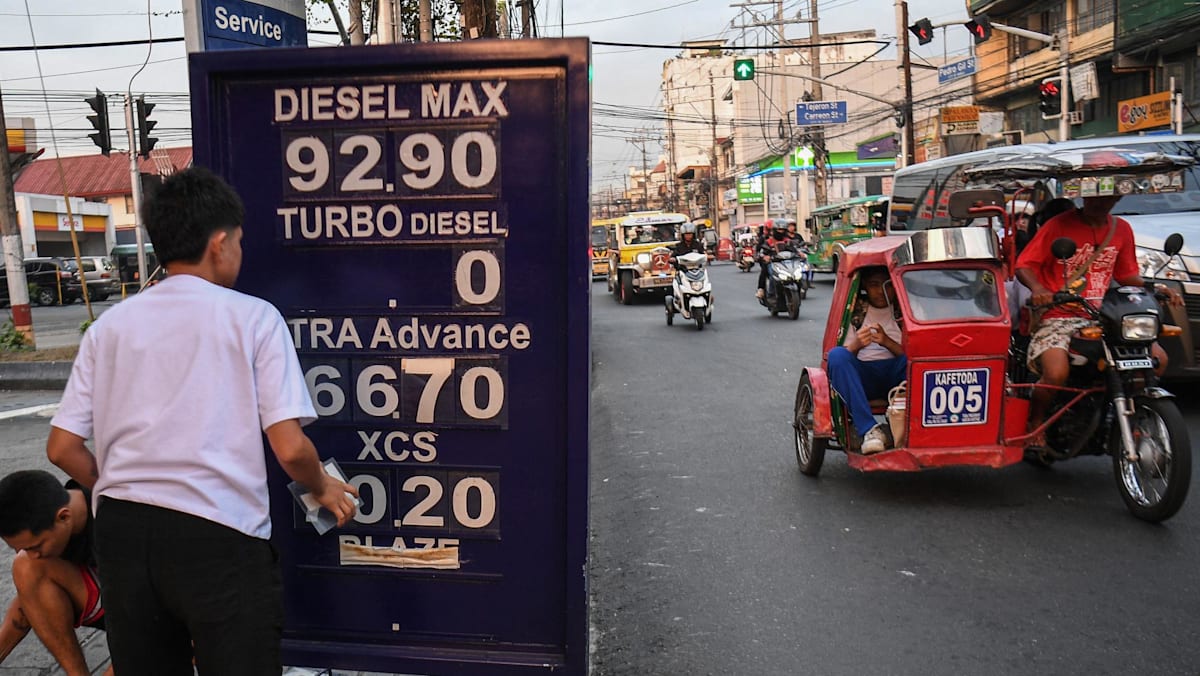
As the peso fell to 64 to the dollar last week, President Ferdinand Marcos told Filipinos “don’t panic”, and blamed the exchange rate woes on the rising prices of oil.
While Manila could “do nothing” about global oil prices, Marcos said Philippine foreign exchange reserves were at a healthy level and the government had “all the tools to defend the peso”.
Rising inflation has impacted the growth of the Philippine economy, which expanded by a paltry 2.3 per cent in the three months to June, the lowest since the fourth quarter of 2009, excluding the pandemic years.
Third-quarter gross domestic product growth data is scheduled to be released on Monday.

