


Speaking at a panel discussion at the Bengaluru Tech Summit, he stressed the need to develop local alternatives and diversify suppliers to prevent disruptions caused by shortages or foreign restrictions.
“Nobody is going to help us when the chips are down. Each country stands up to itself,” he said.
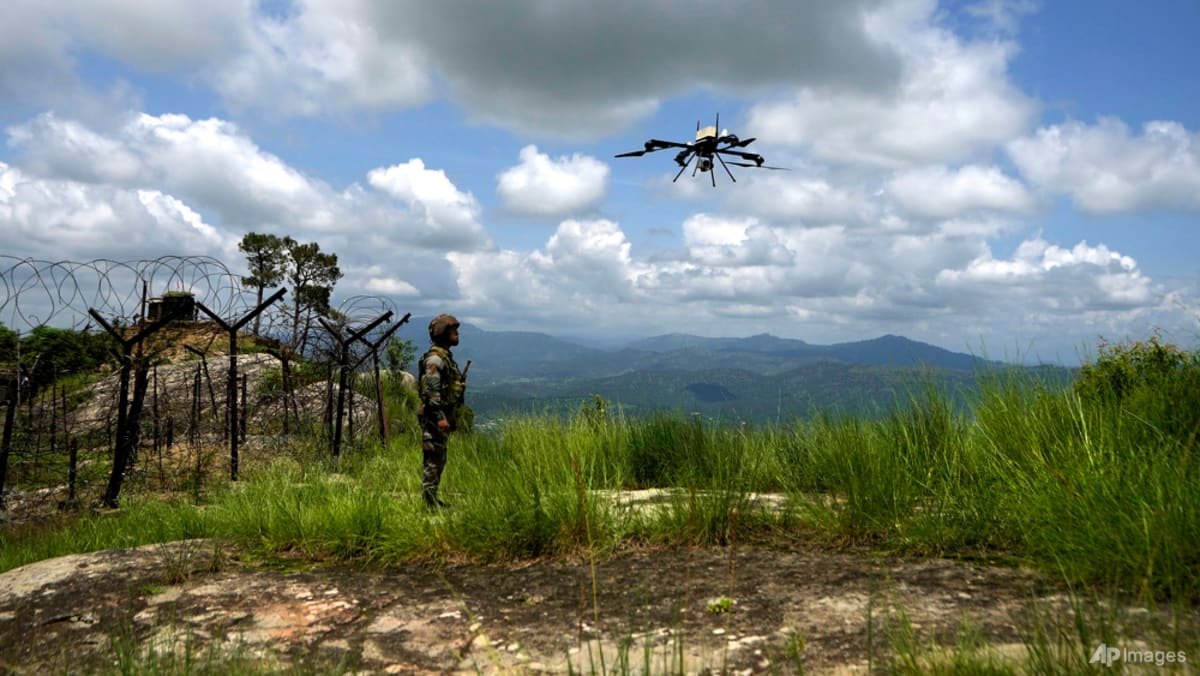
B.K. Das, a senior official at India’s Defence Research and Development Organisation (DRDO), also flagged reliance on imported materials, including rare earth magnets used in drone motors.
“[The challenge is] we do research in isolation,” he told CNA, calling for greater collaboration among India’s research institutions, startups and defence companies to develop advanced military systems.
Das said DRDO had established 15 centres at universities and research institutions to help bridge that gap.
Das acknowledged that emerging technologies still needed further development to meet stringent military standards, including the ability to withstand harsh weather, equipment failures and other challenging conditions.
Meanwhile, securing a predictable flow of military orders remains another challenge for Indian startups operating in the space.
Citing Ministry of Defence figures, Kohli said 45 procurement contracts worth about 23.3 billion Indian rupees had been signed under the government’s iDEX initiative as of February.
“Revenue is real now, but much of it is still lumpy,” Kohli said, referring to the irregular flow of orders and income for defence startups.
She said emergency military purchases had helped some companies secure business, but sporadic orders made it difficult for startups to plan long-term investments, expand production and retain skilled workers.
“A startup cannot hire engineers or build a factory on orders that arrive in bursts,” she said.
Kohli added that more predictable procurement, stronger domestic supply chains and manufacturing capabilities would be key to building a sustainable defence-tech industry in India.
“The market becomes sustainable when one-time buys turn into multi-year orders,” she said.

