


WARNING: CONFRONTING DETAILS
Domestic violence helplines
A woman who experienced horrific abuse at the hands of her parents throughout childhood says it was the atmosphere of the home she remembered more than any incident that left her beaten and bruised.
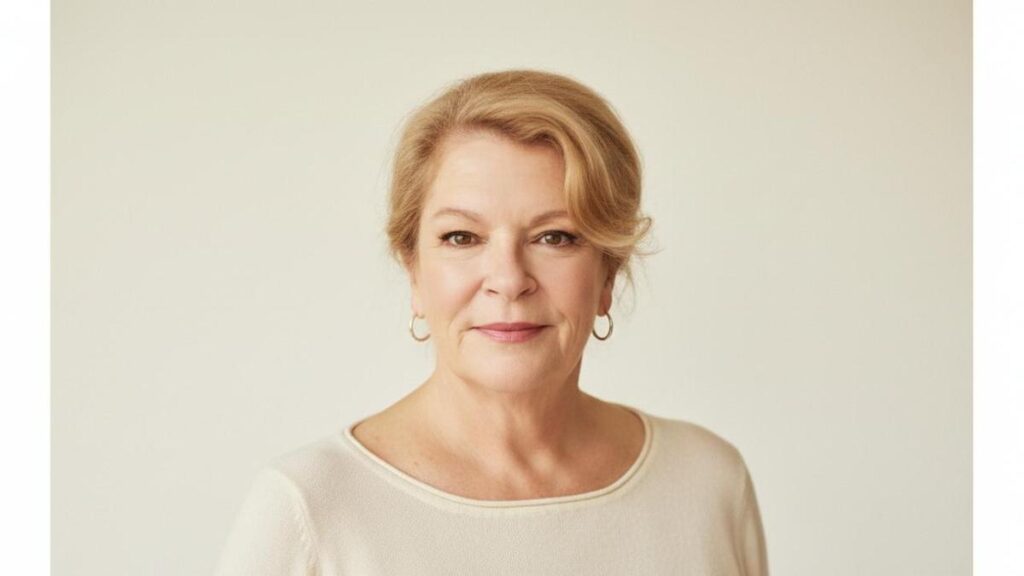
Lee Bird grew up with a “very disruptive” father and an alcoholic mother who had borderline personality disorder – and would defend her marriage before her.
“She would allow me to be belted, which I never understood until about six months ago, that unpredictability inside a home causes complete disorientation for a child,” she said.
WA’s biggest courts and crime stories to your inbox
Sign-up to our weekly newsletter for free
Sign up
“But the nervous system is one of the most remarkable protection systems that we have, it’s a built-in alarm.”


Ms Bird thought about the atmosphere in her home like the weather to shield herself from “lots of lightening strikes coming my way.”
“I would call my father the thunder,” she said.
“My mother was like the person that accepted it, I jumped in like the rescuing child, then I couldn’t make sense of why I jumped into help, as a child there is no language for that.
“(She was) not jumping in to look after me, and that’s where the disorientation comes from.”
Ms Bird said the whole house felt like a theatre where she learned how to act, when to breathe, when to look away and when to hide.
She would watch, listen, scan and measure what was happening inside her home because she did not have the language to articulate it.

“Silence rose into a silent adult who then perpetuates the options and the possibility of abuse,” she said.
“The raised voice, doors slamming, the loudness of silence, the knot in the stomach and the dread.
“That can make you really unwell, fatigued, and hypervigilant.”
The abuse took a physical toll on Ms Bird to the point it became debilitating and derailed her education.
She lost the ability to trust people, but found therapy helped stop the physical reactions she continued experiencing into adulthood.
Ms Bird has recounted her harrowing experience in a book titled the Girl at One-Five-Eight where she aims to give hope to other victim survivors.
“If we want safer futures and healthier relationships, we need to pay closer attention to the atmospheres that we create everywhere, because every child is in that development stage, and they feel everything,” she said.

Family and domestic violence affects a significant number of Australian children, according to the Australian Institute of Family Studies.
Data from Our Watch shows about 20 children are killed by a parent each year, with half aged two or younger.
The Australian Child Maltreatment Study found three in ten children experienced emotional abuse by a parent or caregiver, three in ten were subjected to sexual abuse, and two in five were exposed to domestic violence.
Research from the Australian Institute of Family Studies found exposure to domestic and family violence can have far-reaching consequences for children, affecting their physical and mental health, development and education, and is a leading driver of childhood homelessness.
Researchers also found child abuse and child sexual abuse frequently occur alongside domestic and family violence.
Child victims described how they lived in constant fear and anxiety, and felt powerlessness and anger in a Children’s Perspectives of Domestic Violence report.
They suffered physical symptoms such as insomnia, headaches and stomach upsets and tried to shut-out violence by retreating into their imaginations, hiding, leaving the house, immersing themselves in television or play, turning to trusted friends or relatives, or trying to defuse the situation themselves.
But the feeling of dread was one of the most significant things children exposed to family and domestic violence endured over any single incident that occurred, Australian Psychological Society President Kelly Gough said.
Mr Gough said the brain worked like a prediction machine trying to figure out what would happen next, which led people who experienced traumatic childhoods to always be alert, because they never knew when the next bad thing would happen.

He said people who lived in traumatic homes or a war zones had higher levels of anxiety because bad things happened often.
“As you get older you’re much more likely to be expecting bad things, unconsciously reactive, and always in that same state of readiness or dread,” he said.
“Often it happens when you’re a little kid, particularly before you’ve even got language around what’s happening, so it can be a very sort of experienced thing, a felt sense rather than any real like narrative or memory, which happens later when you get words and you get to think and learn words.”
Mr Gough said the more traumatic experiences a person had during childhood increased the risk of physical and mental health diseases in the future.
“We can generally say trauma in children is bad, it does lead to real actual measurable changes in brain structures,” he said.