


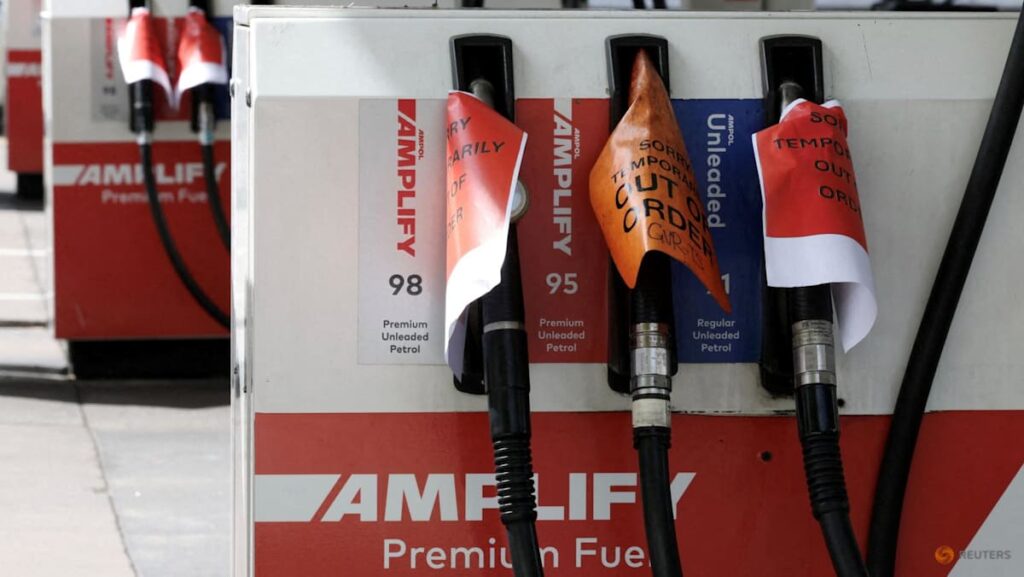
Countries across Asia are weighing up work-from-home policies and stimulus measures enforced during the COVID-19 pandemic, as they scramble to respond to global fuel shortages triggered by the Iran war.
Asia is at the frontline of the fuel crisis, buying more than 80 per cent of the crude that transits the Strait of Hormuz, which has been almost totally blocked by Iran since the war broke out on Feb 28.
No country in the region has enforced work-from-home measures yet, but some have said they are on the table.
“I think it is a good idea,” South Korean Energy Minister Kim Sung-whan said on Tuesday when asked about an International Energy Agency recommendation for people to work from home.
The IEA, which agreed a record release of around 400 million barrels of oil from strategic stockpiles to deal with the crisis, has outlined proposals to ease oil price pressures such as working from home and avoiding air travel.
IEA Executive Director Fatih Birol repeated those calls at a conference in Sydney this week.
“There were real-life tests, such as after the Russian invasion of Ukraine, European countries adopted these measures, and it was announced by the European governments. It helped them a lot to go through these difficult times without Russian energy … but keeping the lights on,” Birol said.
Industrial powerhouse South Korea on Tuesday launched a public campaign asking people to cut shower time, charge phones during the day and run vacuums on weekends.
“We will consult with relevant ministries and actively consider measures for work-from-home,” Energy Minister Kim told a briefing.
The Philippines, which relies heavily on Middle Eastern oil for its energy needs, shortened the work week in some government offices earlier this month.
President Ferdinand Marcos declared a state of national energy emergency saying the conflict poses an “imminent danger” to the country’s energy supply.