


UNCERTAINTY OVER MONSOON RAINS
Authorities say current water supplies are sufficient for the next few months. But with monsoon rains uncertain due to the El Nino effect, the city is taking steps to prevent water wastage.
The monsoon typically delivers about 70 per cent of India’s annual rainfall to replenish crucial water sources.
India recorded rainfall that was 39.8 per cent below average in June, with July expected to be below average as well.
Bengaluru has now made it mandatory for apartment complexes, commercial establishments and government buildings to install aerators or flow restrictors on water outlets used for cleaning purposes.
Officials say installing flow restrictors at water connections can reduce water consumption by 30 to 50 per cent. Installations must be completed by Jul 31.
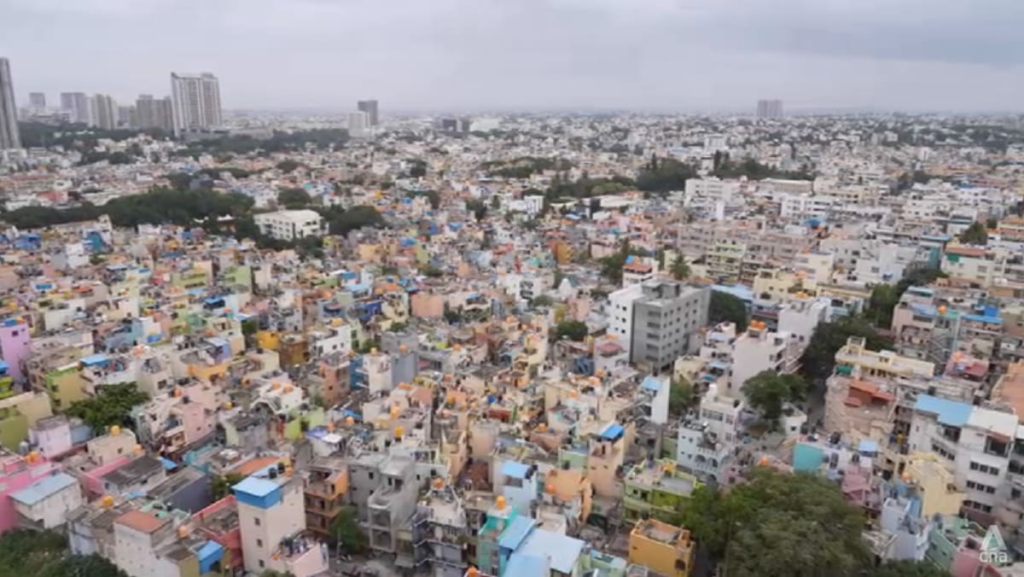
Bengaluru is home to around 14 million people, and is one of India’s fastest-growing urban centres.
Some residents say they are already relying on treated water for daily non-drinking needs.
One Bengaluru resident said his apartment complex has begun using treated water to irrigate its gardens and wash podiums.
“We have dual plumbing. One for fresh portable water and one for treated water. But this is our own initiative, something that isn’t in all residential complexes or individual houses,” said Arun Kumar told CNA.
The city operates a large network of decentralised wastewater treatment plants which have helped expand the use of recycled water. But experts say improved distribution of such treated water is needed to reduce reliance on drinking water.
Environmental advocates also warn that poor rainwater harvesting and declining groundwater levels remain concerning.
“Not paying attention to the rainwater harvesting provisions and then (covering) the city (with concrete) everywhere – this has resulted in loss of groundwater,” said environmentalist Bhargavi Rao.
“The groundwater recharge is very low. There is overexploitation (but) there is no (replenishment). So, Bengaluru is in a crisis.”