


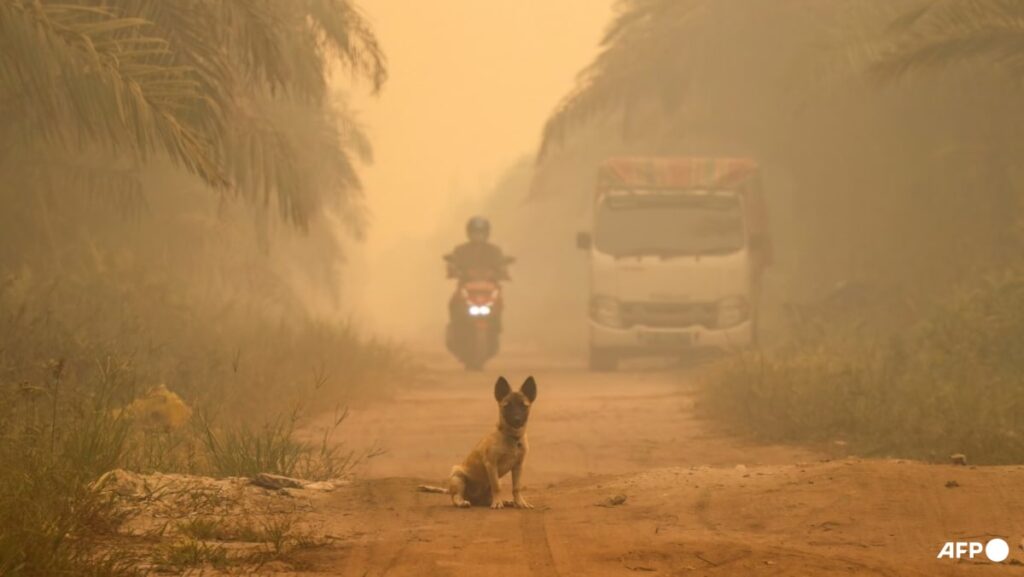
ASEAN traditionally treats haze as a transboundary environmental problem. The Second Haze-Free Roadmap 2023–2030, ASEAN Peatland Management Strategy 2023-2030 and ASEAN Investment Framework for Haze-Free Sustainable Land Management could potentially support action leading to haze-free agriculture and commodity sectors.
However, the ASEAN Food, Agriculture and Forestry Sectoral Plan 2026–2030 fails to connect air quality directly with agricultural productivity, output loss and food security. This missing link is increasingly consequential.
POLICY IMPLICATIONS
Priority should be given to the following five actions.
First, government and private entities in ASEAN member states (AMS) need to monitor agricultural exposure by integrating crop maps with observations of fire, ozone, and PM2.5 (which disperses widely).
Second, research is needed to quantify losses through field experiments and long-term monitoring of major crops.
Third, AMS’ environment and agriculture agencies should integrate air-quality warnings into digital agriculture using satellites, low-cost sensors, farm weather stations and crop models.
Fourth, public and private entities should intensify their efforts in breeding and managing crops for tolerance to ozone and particulate pollution alongside drought, heat, flood and salinity.
Fifth, governments need to enforce policies to reduce agriculture’s own contribution to haze pollution by promoting economically attractive alternatives to open residue burning – such as residue incorporation, composting, biochar, animal feed and productive biomass use.