


ENERGY SECURITY HAS BEEN IGNORED
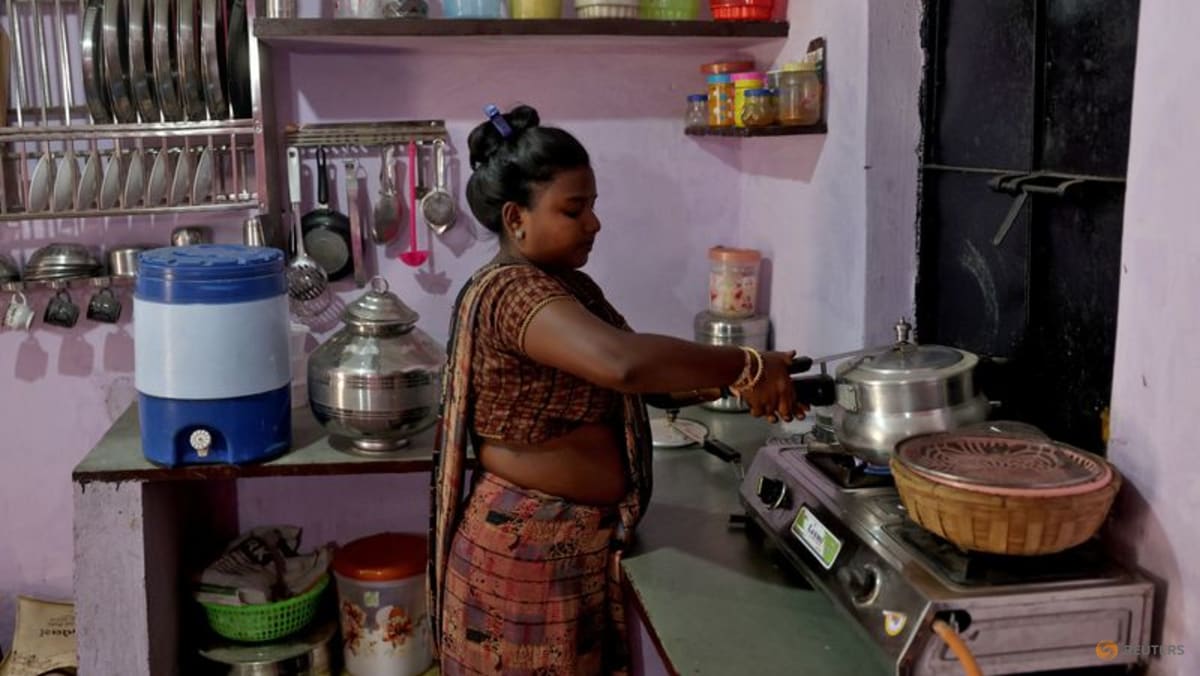
Conversely, LPG is beholden to the Strait of Hormuz. Propane and butane processing at domestic refineries has been stagnant for years amid surging rural demand. To reduce kitchen smoke, Prime Minister Narendra Modi’s government has added more than 100 million subsidised LPG customers over the past decade.
While laudable and popular, the programme ignored energy security. Before the start of the war, local LPG storage was adequate to meet just 17 days of demand, down from 22 in 2008.
Cylinder prices rose 7 per cent in March and may climb further after this month’s crucial state elections. Although the government maintains that supplies of domestic LPG cylinders are normal, it has mandated refill delays.
Commercial supplies – their blue-coloured cylinders are bigger – have been cut. The street-food scene at New Delhi’s bus station has gone quiet. The Bloomberg News reporters who went there recently came across empty stalls.
Labour is starting to flee industrial hubs like Surat in Gujarat, as anxiety rises among migrant workers over the cost of their next meal. LPG prices in the black market are soaring. In parliament, Modi compared the current situation to the COVID-19 crisis, when a mass exodus tanked the economy.
My first memory of my mother’s kitchen in northern India is a coal oven – the 1973 oil shock had made kerosene stoves a luxury. In the 1980s, LPG became the middle-class norm.
Another shift is arriving. Consumers are rational; they know 1.4 billion people cannot rely on peace in the Middle East to cook their meals. In the long run, only the sun can be India’s saviour.
Until there is adequate solar power storage to meet nighttime load, abundant local coal will keep electricity flowing to kitchens. If influencers haven’t yet mastered making samosas in air fryers, they should.
Energy planners must decide what matters more: spending electricity on exporting AI tokens to the West, or keeping dosa and dal affordable for local families. Now is not the time to do both.

