


“SELF-RELIANCE”
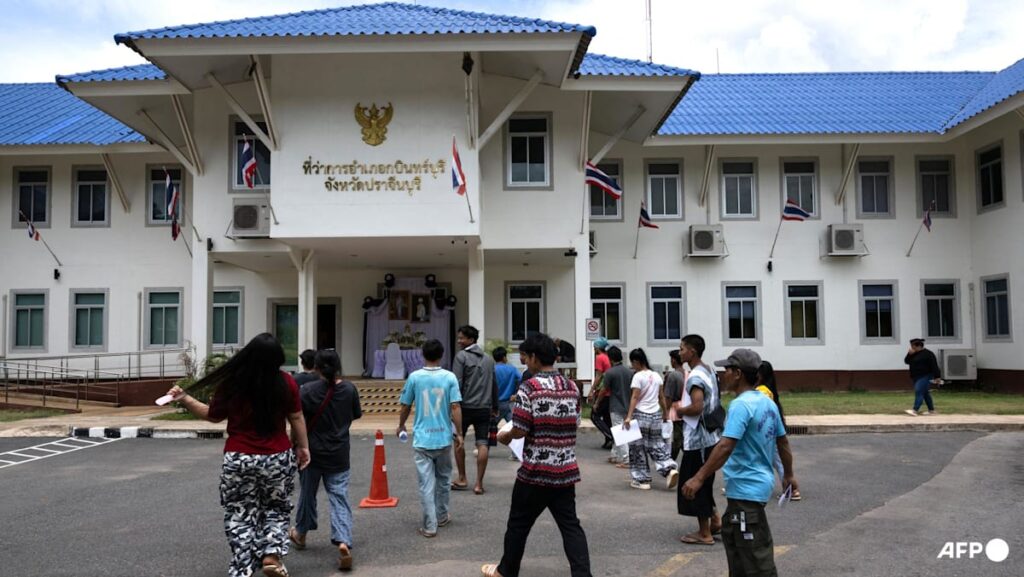
The UN refugee agency (UNHCR) welcomed Thailand’s move to issue ID cards in June, calling it a “landmark step towards inclusion, protection and self-reliance for one of the world’s most protracted refugee populations”.
Thailand’s porous borders and reputation for religious and cultural tolerance have long drawn those seeking sanctuary, but Bangkok does not legally recognise refugees or offer asylum.
However, the government began authorising legal employment for longstanding refugees last year, with more than 5,500 refugees joining the workforce since October, UNHCR said in June.
Phil Robertson, director of Bangkok-based Asia Human Rights and Labour Advocates, said the shift was a “huge step forward” and “long overdue”.
“With these so-called ‘pink cards’, the refugees can access health and other services, work to support their families, and enjoy greater freedom of movement,” he said.
PEACE OF MIND
At the farm in Nakhon Sawan, owner Manas Lohsuwan said he had previously hired Cambodian migrants.
But since deadly border clashes between Thailand and Cambodia broke out in July last year, hundreds of thousands of Cambodian workers have returned home, leaving Manas short of labourers.
While Manas said Cambodians had more skills and experience than Myanmar refugees, the latter were cheaper to employ and required to stay with the same employer.
“If they do not want to work with us, they have to return to the camp and wait to be recruited again,” he said.
For 29-year-old Ko Ko Oo, who was born and grew up in a Thai refugee camp, an ID card provides more than permission to work and earn a higher income.
It has also granted him peace of mind, especially when officials come around checking workers’ papers, he said.
“I do not have to hide.”