


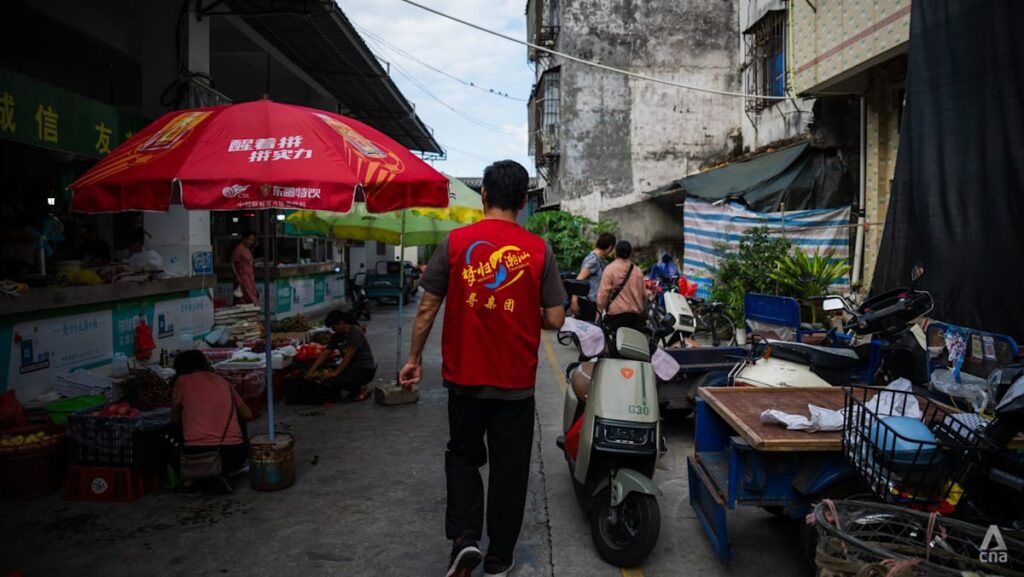
For many Teochew families in Singapore and Malaysia searching for long-lost relatives in China, ancestral halls and genealogy records in the southern Chaoshan region are among the few places with clues about their past.
CNA visited the Li Clan Ancestral Hall in Shantou city, where Zeng has been investigating a request from a Singaporean searching for his ancestral roots.
“His wish was simply to find his ancestral hall so that he could pay his respects,” Zeng said.

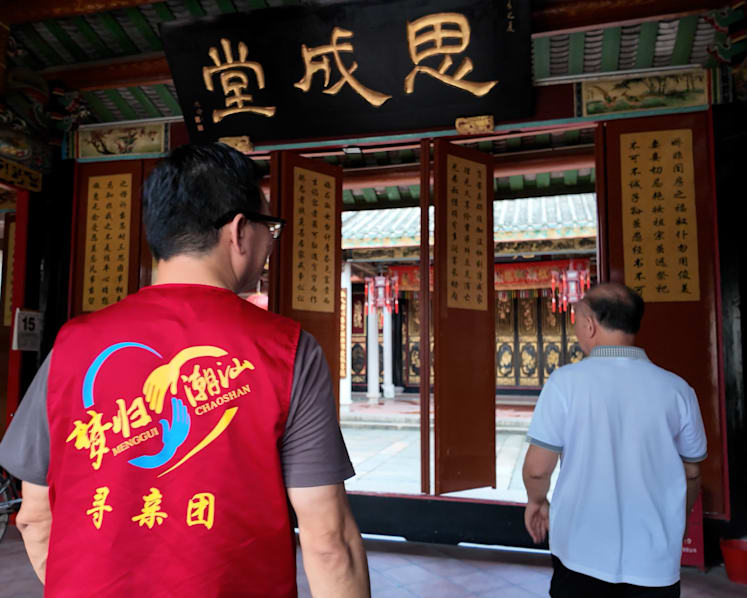
Inside, Zeng pointed to a board displaying the clan’s generation sequence – a set of characters passed down through generations that helps descendants trace their place in the family line.
“A person’s name can tell you which generation they belong to. Someone may look younger, but they could actually belong to an older generation in the family line,” Zeng explained.
In a nearby room, clan elders pulled out genealogy record books listing thousands of family names as well as information about descendants.
These books provide important clues for volunteers, so they can compare with information shared by overseas families.
But genealogy records are also often lost “because of history”, said Li Weimin, a clan elder.
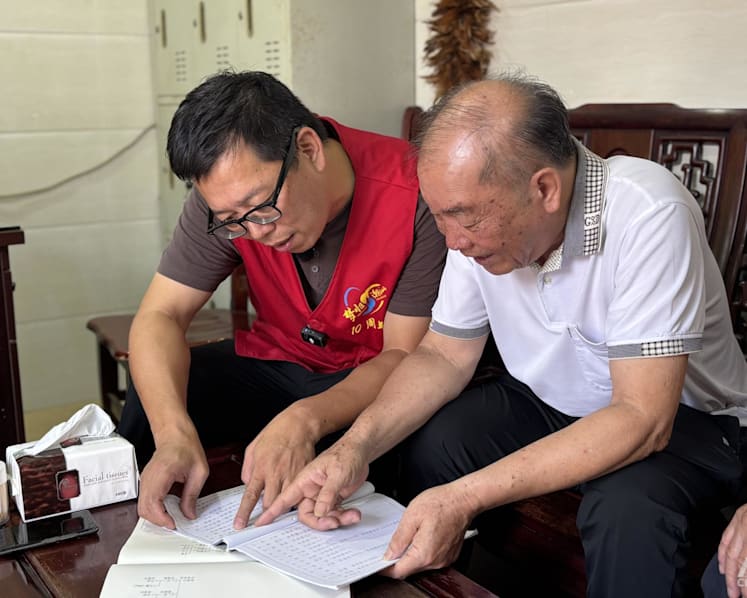
The group ruled out thousands of possible matches and eventually confirmed the search – sending photos and findings to a WeChat group with the Singaporean man and other volunteers.
But results “take time to process”, Zeng said.
“This happens all the time – people suddenly receive decades of family history all at once,” he added.
“Our work doesn’t end when we find the answer. It ends when we’ve helped them understand it.”