


“The problem has not been a lack of growth,” said Harsh Vardhan, chairman of Starair Consulting.
“It is that every other part of the ecosystem has not been able to keep up with this growth and manage it well.”
RELAXING RULES
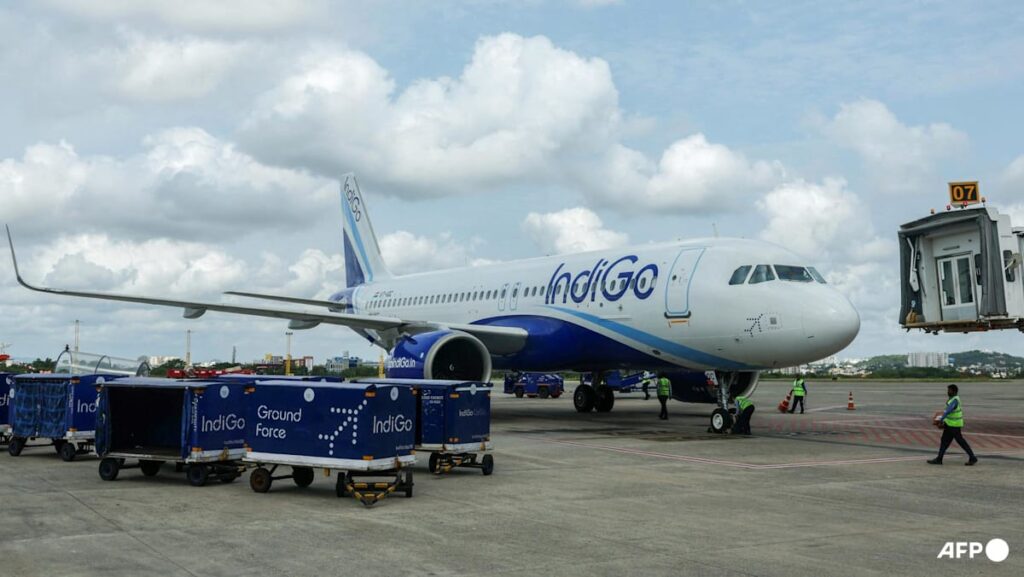
Those concerns came to the fore last year when IndiGo cancelled large numbers of flights after failing to prepare for new pilot fatigue regulations.
Industry experts said the temporary suspension of parts of the new rest rules reflected a wider regulatory failure.
“The DGCA acts more like a facilitator than a regulator,” said Lumba, the former operations chief, referring to the aviation regulatory body.
The dominance of Air India and IndiGo has further complicated the regulator’s task.
Seven major airlines have either collapsed or been sold in the past two decades, making it harder to penalise the two big remaining players.
“A duopoly works only if operators are mature, responsible and grown adults,” Martin said, adding that in India it more closely resembles a “bunch of territorial gangs”.
Last year, the government said the country needed “five big airlines”, and regulators have since approved plans for two new carriers.
The government is also examining a proposal to relax rules preventing airport operators from owning airlines, potentially opening the door for conglomerates such as the Adani Group.
But attracting investors alone will not solve the sector’s problems, Vardhan said.
“The cost structure has always been very hostile. It is one of the primary reasons new operators have not been able to make a breakthrough.”
The contradiction, he argued, lies at the heart of India’s aviation ambitions.
“On one hand, they call it a sunshine sector. On the other, everyone is trying to ride the industry’s success at the cost of profitability.”