


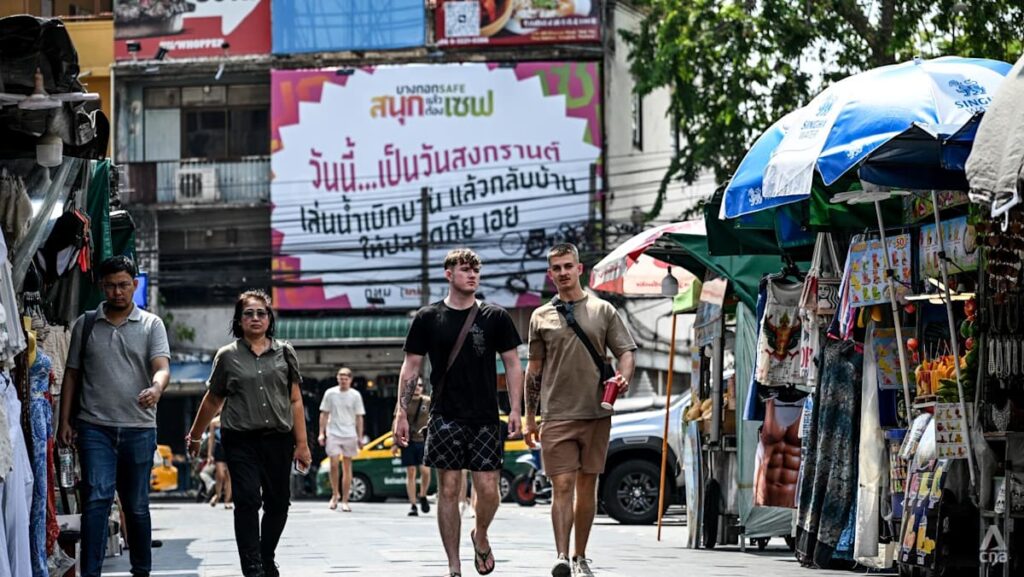
“I have a higher risk tolerance than average though. Some people, I assume, need the peace of mind of knowing they’re covered.”
Thailand has not yet indicated how its insurance requirement will work, what the minimum coverage would be or when it might be rolled out.
Somruk Jungsaman, the permanent secretary of Thailand’s Public Health ministry, said the government is still seeking clear data to assess the scale of the problem and design appropriate measures, as reported by the Bangkok Post last month.
The ministry will discuss the extent of insurance and related mechanisms with relevant agencies, he said.
Experts say the proposal reflects a broader rethink of the country’s tourism model, shifting some of the financial burden from the state to visitors.
The policy was first raised in 2020 during the COVID-19 pandemic and has gained momentum again as Thailand looks to pivot towards higher-value tourism rather than pure volume, said Gary Bowerman, a tourism policy and consumer trends analyst.
“I don’t think it will significantly shock the market,” Bowerman said.
“But it signals that the government is re-appraising how to develop its tourism industry in a changing world. Most of the pre-2020 certainties that enabled its visitor economy to grow so fast are gone and aren’t coming back,” he said.
Mandatory insurance coverage already exists in other tourism markets in various forms. Some countries, such as Cuba, already require mandatory insurance for all visitors. The European Schengen area requires minimum coverage of 30,000 euros (US$35,000) for medical emergencies and repatriation for those travelling on a Schengen visa.
Countries including Russia, Turkey and Iran also require insurance as part of visa approval, while Qatar mandates cover from a locally approved provider, either online or on arrival, before being granted entry.