


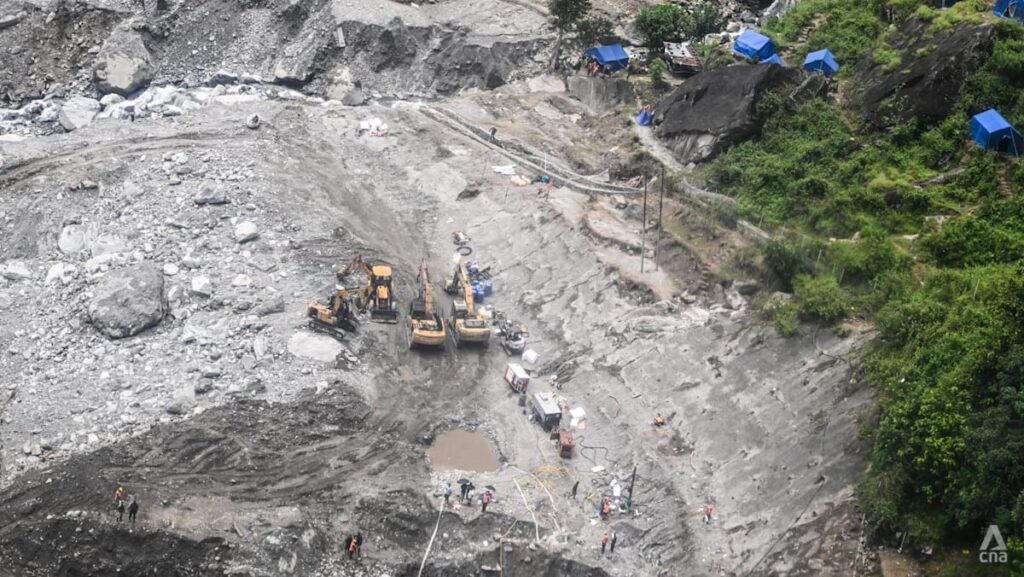
KATHMANDU: Nepal’s hydropower boom has long been touted as a cornerstone of economic growth and renewable energy, but the devastating flood in August exposed its vulnerability.
The disaster triggered by a glacial mountain collapse on the China-Nepal border killed more than 1,400 people and left thousands missing -while knocking 410 megawatts, or about 10 per cent of the generation capacity, out of Nepal’s power system.
More than 90 percent of Nepal’s electricity comes from hydropower, but extensive damage to its river projects has prompted questions about its energy security as climate and geological risks intensify.
“Hydropower has been a major driving force in growth of the country … generating jobs and income,” Uttam Bhlon Lama, senior vice president of the Independent Power Producers’ Association (IPPAN), told AFP.
“It was bringing huge hope and future prospects to the people,” he said, adding that the country would now have to rethink its dam-building spree.
“We have to prepare… This is our new normal.”
Over the past decade, the Himalayan nation has increased hydropower output more than fourfold to about 4,120 megawatts, according to government figures, helping connect nearly all its 30 million people to the grid.
The country had previously moved to export surplus electricity to neighbouring India and Bangladesh, seeking to turn its glacier-fed rivers into a source of revenue. Authorities suspended electricity exports after the disaster.
The major destruction of hydropower infrastructure underscored the risks of that strategy in a region where glaciers are retreating, permafrost is thawing and extreme hazards are becoming harder to predict.