


Advocates in New Brunswick are joining the chorus of calls for dedicated emergency alerts for vulnerable missing people following the death of an 11-year-old Calgary boy.


Parker was reported missing nearly two weeks ago from his day home, prompting an extensive search effort in that city.
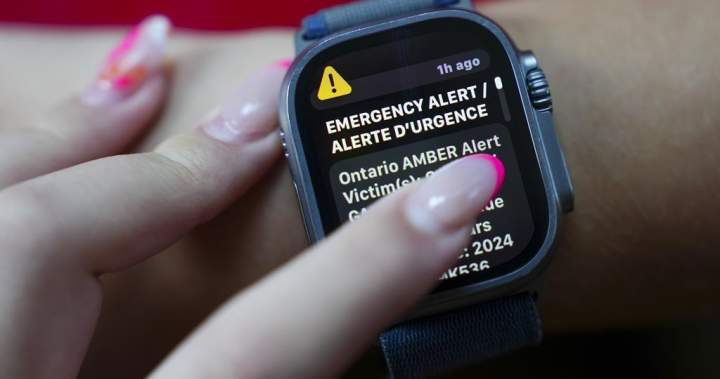
Calgary police received special permission from the province to issue an Amber Alert, which is typically used for child abductions, two days after Parker disappeared even though they said there was no evidence he was abducted.
Under provincial legislation, Amber Alerts can only be activated when certain criteria are met.
Police announced Wednesday that they had found the body of a child believed to be Parker in a network of pipes after investigators determined he may have entered a culvert.
Parker had autism and was non-verbal, highlighting concerns about the need for specialized alerts.
Deb McDonald, the executive director of the Community Autism Centre Inc. in Saint John, says such an alert system would be the “most common sense thing to do.”


Get daily National news
Get daily Canada news delivered to your inbox so you’ll never miss the day’s top stories.
“No doubt about it — it must be for all ages because autism is about all ages,” said McDonald, who says her 36-year-old son is also non-verbal.
A national online petition started by a group of mothers that urges officials to launch emergency messages for categories including neurodivergent children has collected more than 24,000 signatures.
Chrystal Venator in Oromocto, N.B., was among those who signed the petition. Her 11-year-old son, Stalen, is also non-verbal and she posts regular updates on her Facebook page, Stalen’s Way, to share their journey with complex medical needs.
“When we have instances like this where a vulnerable person goes missing, time is really of the essence and so that is why we are pushing for this alert system,” she said.
Venator says she also relies on a radio frequency tracking device, provided by a program called Project Lifesaver. Stalen wears it in case he wanders off because Venator says he doesn’t have a sense of danger or the ability to identify safety risks.
“He’s been wearing that since he was three-and-a-half years old, which will allow first responders to find him in the event that he does wander,” she said.
Bradley Parker, executive search manager with York-Sunbury Search and Rescue, says the devices have helped them in many searches.
“Instead of having to put in dozens and dozens of people in the woods, looking over every rock, tree and stump, we have a sort of a magic wand almost and can track them from kilometres away,” he said.
But Venator says these devices do have their limitations. They aren’t accessible everywhere and sensory issues from autism can inhibit vulnerable people from wearing them.
“Just even wearing clothes is a huge challenge for them,” she said.
That’s why advocates say a specialized emergency alert would help get information out faster and aid in searches when vulnerable children disappear.
“Any time there’s a need to get information out, the more tools, I assume, the better,” said Parker.
© 2026 Global News, a division of Corus Entertainment Inc.