


Krisa Chen, a 24-year-old student from Hangzhou, had initially planned on travelling to Qufu city in Shandong province this year – best known as the hometown of Confucius.
But after scrolling through photos from various travel vlogs that described local tourist spots as “messy and ugly” – she decided against it.
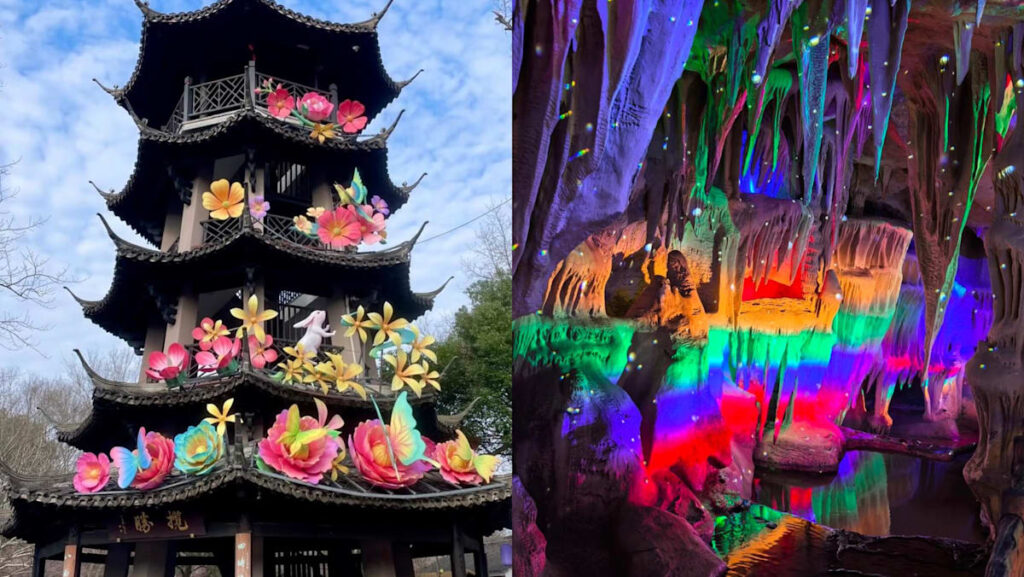
Pictures and videos showed crowds of tourists dressed in traditional hanfu gowns, posing under neon lights. Performers were also seen parading the streets.
“A centuries-old historic town should allow visitors to experience architectural scale, street textures, local life, craftsmanship, and historical depth,” she told CNA, adding that many places in China were becoming “overcommercialised”.
She pointed to light shows, artificial waterfalls and photo installations being set up at locations just to attract influencers.
“Using all kinds of colourful LED lights makes it garish and flashy (and) really annoying to look at,” she said.
“They (planners) also force lasers onto water scenic areas and cover ancient buildings with LED screens – and it looks “extremely jarring”, Chen said.
“The aesthetics are just terrible.”
WHY AESTHETICS AND AUTHENTICITY MATTER
Aesthetics are becoming increasingly important to many young travellers, according to a survey published on Jun 18 by the state-owned China Youth Daily newspaper.
Many are dissatisfied with what they see as the declining aesthetic quality of domestic tourist attractions, the report said.
More than 1,000 people between the ages of 20 and 40 were surveyed – with an overwhelming 95 per cent encountering tourist spots with “poor aesthetic quality”.