


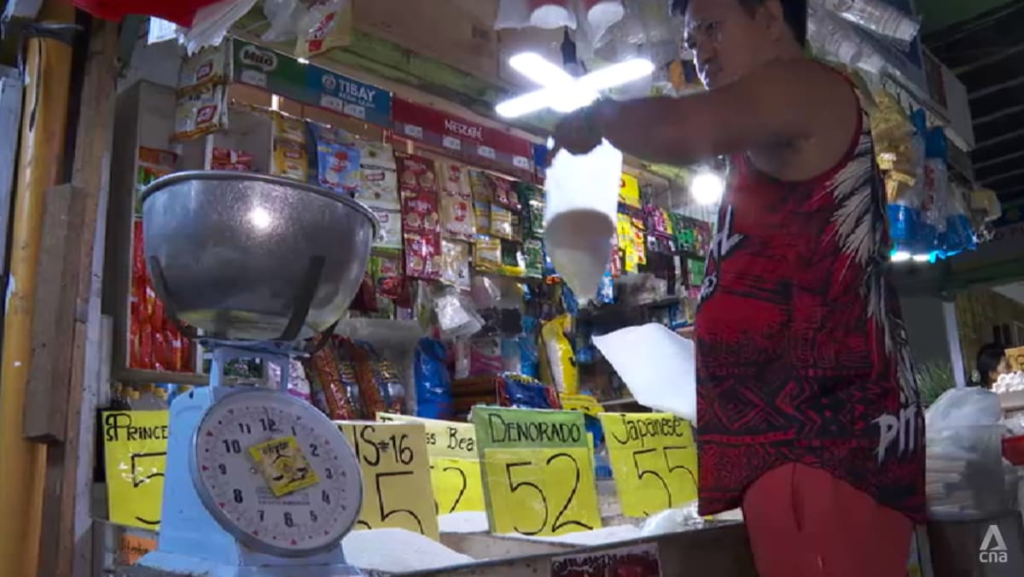
At the Association of Southeast Asian Nations (ASEAN) summit in Cebu earlier this month, regional leaders proposed tapping the emergency rice reserve.
Under the ASEAN Plus Three Emergency Rice Reserve, shared with China, Japan and South Korea, rice is stockpiled for immediate release during disasters without disrupting market prices.
Leaders also discussed establishing a regional oil stockpile as a long-term measure to reduce exposure to future supply disruptions and economic shocks.
TOURISM SECTOR HARD HIT
The effects of the crisis are also spreading beyond food prices and agriculture, hitting Cebu’s tourism sector hard.
Tourism is a key pillar of Cebu’s economy, with the province relying heavily on visitors drawn to its beaches, diving spots and island resorts. Many residents depend on the industry for jobs ranging from transport services and tour operations to hotels and restaurants.
Cherry Baylomo, a tourism transport operator, said bookings from South Korean, Japanese and Chinese travel agencies have plunged.
She estimated cancellations at around 70 per cent, adding that tourists have been deterred by pricier tour packages and transportation driven by fuel costs.
Baylomo said some employees have already been placed on unpaid leave, while commission-based workers are struggling to make ends meet.
For many Filipinos whose livelihoods depend on tourism and agriculture, the economic strain is deepening. As fuel prices remain volatile and the cost of basic necessities continues to climb, many said they are hoping for swift government intervention to ease the burden.