


NEWYou can now listen to Fox News articles!
A new model shows devastating economic losses for U.S. companies if South Korea adopts controversial legislation that would regulate transactions with some American firms as lawmakers warn that the country’s leadership is now “closely aligned with China.”
The Online Platform Fairness Act, which is spearheaded by the Korea Fair Trade Commission (KFTC), has gained steam in in the Asian nation and is backed by far-left South Korean President Lee Jae-myung. A Competere Foundation model estimates a $525 billion loss in economic activity in U.S. states over the next decade, including a $123 billion loss for California, a $48.7 billion loss for Texas, a $33.9 billion loss for New York and a $27.4 billion loss for Washington.
“South Korea is an American ally and an economic success story, which is why its recent and continuing actions restricting American companies — like its 20-year ban on Google Maps — are so troubling,” Rep. Darrell Issa, R-Calif., told Fox News Digital. “I remain concerned that its current trade commission resembles the worst of Lina Khan’s FTC, not the free market tradition that has helped to bring Seoul and Washington together.”

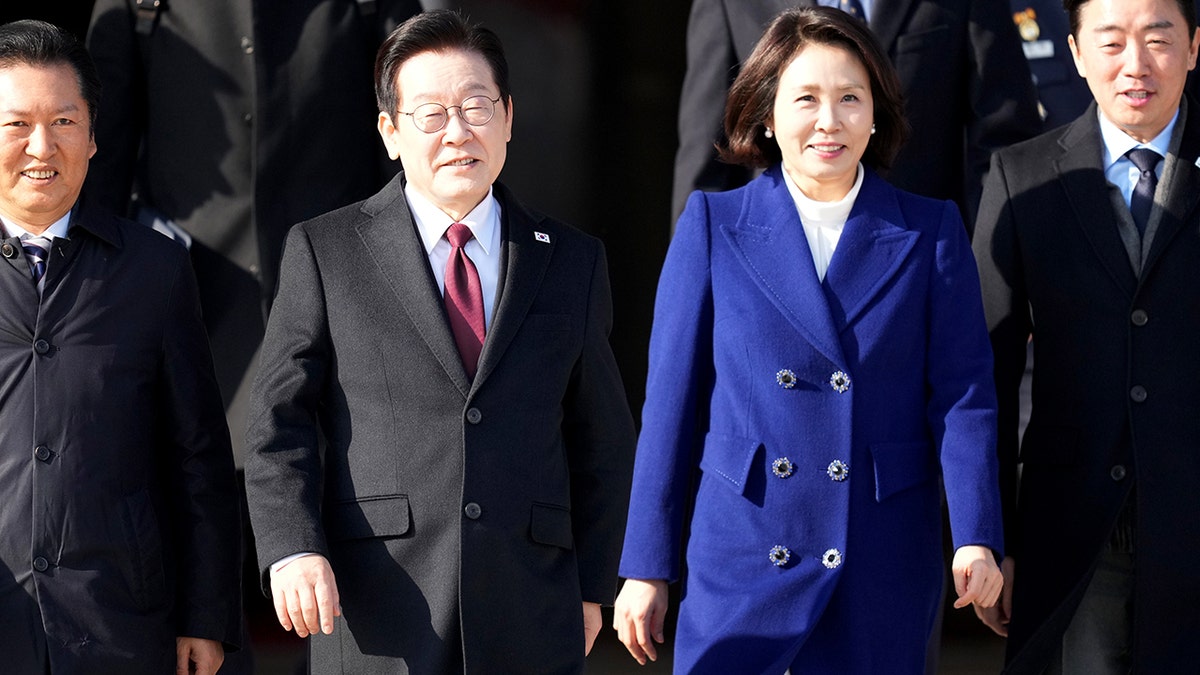
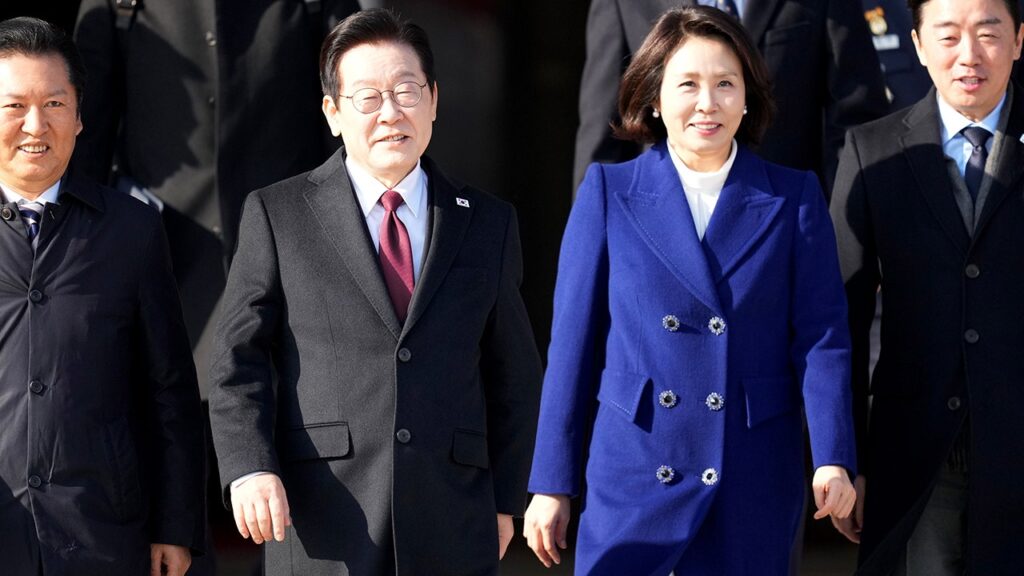
South Korean President Lee Jae Myung and his wife Kim Hea Kyung arrive at Seoul airport to depart for China on Jan. 4, 2026. (Lee Jin-man/AP Photo)
OVER 50 HOUSE MEMBERS ACCUSE SOUTH KOREA’S NEW LEFT-WING GOVERNMENT OF ATTACKING US COMPANIES, FAVORING CHINA
Issa told Fox News Digital in April that South Korean leadership and the nature of the Democratic majority in the country is “closely aligned with China.”
Yoon Suk-yeol, a conservative from the People Power Party, was elected president of South Korea in 2022, but was impeached in December 2024. His decision to impose martial law was a key factor in his ouster.
Jae Myung narrowly lost to Yoon in the 2022 presidential election, but won the presidency in 2025. The Democratic Party in South Korea already holds a substantial majority in the National Assembly. The country is now operating at a full Democratic majority.
SOUTH KOREA FLIPS LEFT IN PRESIDENTIAL RACE; LEE SECURES VICTORY AFTER CONSERVATIVE OPPONENT CONCEDES
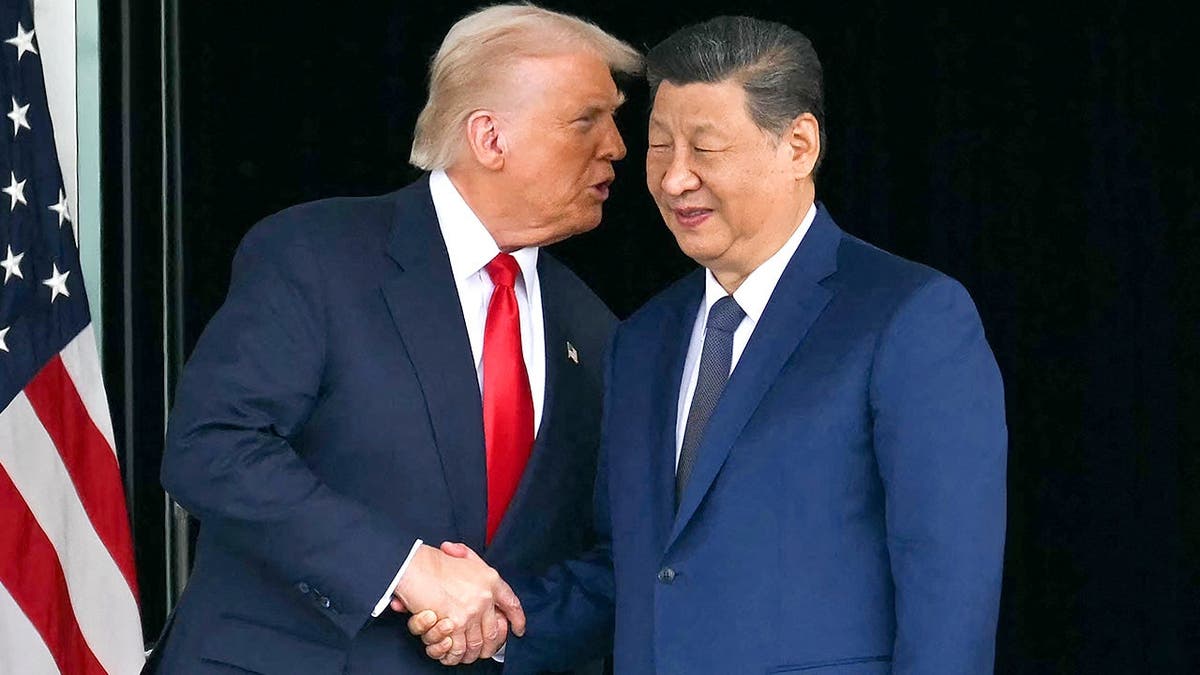
Trump is expected to press Xi on China’s economic and strategic support for both Iran and Russia, including oil revenue, dual-use components and potential weapons transfers, according to senior administration officials. (Andrew Caballero-Reynolds/AFP via Getty Images)
The Democratic Party is the main liberal force party in the country, and favors progressive domestic policies as opposed to the conservative beliefs that have previously reduced political engagement with North Korea and promoted relations with the U.S.
The proposed bill, which remains pending in South Korea’s assembly, would broaden the power of the KFTC – the same agency members of Congress are criticizing for unfairly treating U.S. companies.
Shanker Singham, international trade and competition economist and CEO of the Competere Foundation, said that “Korea is already an increasingly unfriendly place for U.S. companies to do business” and that the “looming regulations will make that environment even worse.”
SOUTH KOREA’S NEW LEFTIST PRESIDENT PULLS A FAST ONE ON DONALD TRUMP
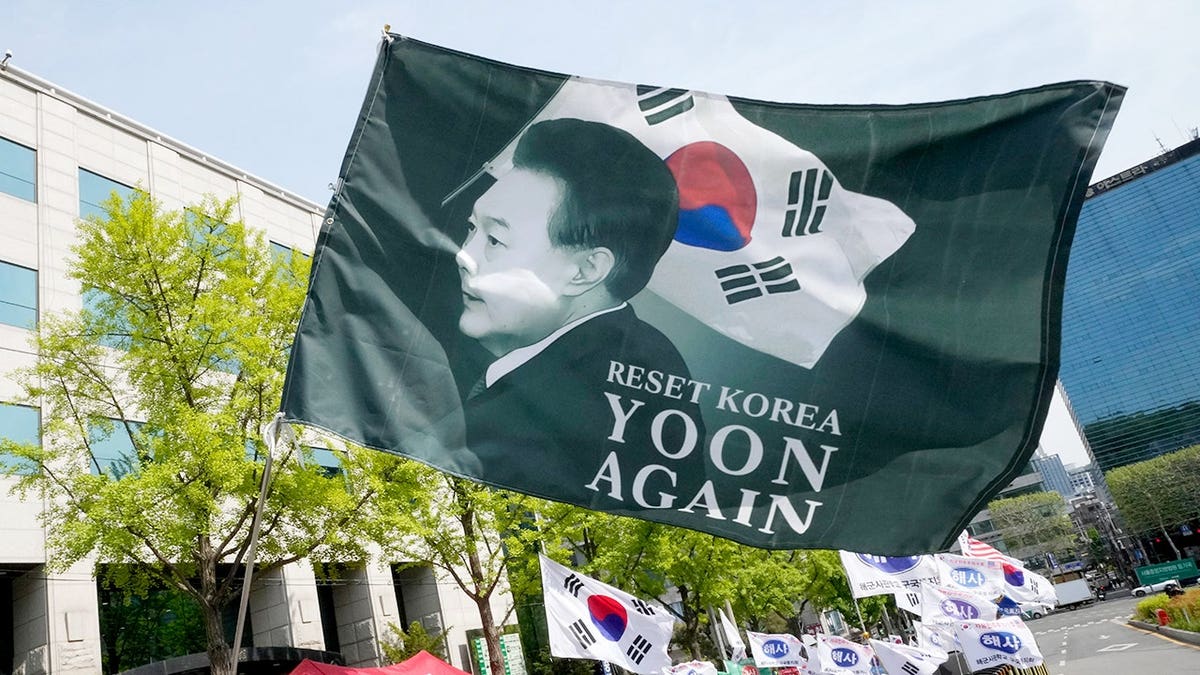
Supporters of former South Korean President Yoon Suk Yeol stage a rally outside the Seoul High Court in Seoul on April 29, 2026. (Ahn Young-joon/AP)
Former Utah Republican Rep. Chris Stewart also warned of South Korea’s posture to increase regulatory burdens for U.S. companies, telling Fox News Digital it could be devastating for more than just tech companies.
“South Korea’s campaign against American companies isn’t just a trade issue – it’s a strategic mistake that benefits China,” Stewart said. “Every time Korean regulators make it harder for U.S. innovators like Coupang, Google, or Meta to compete, they create more room for Chinese companies to gain market share and influence in one of the world’s most important digital economies.”
Stewart noted that the cost would affect more than just Silicon Valley, tying the economic losses to a Chinese win – since Beijing would likely take up lost market share in South Korea if American companies were to reduce investment.
BEYOND MISPERCEPTION: A RENEWED KOREAN DEMOCRACY AND A RENEWED ALLIANCE
In early June, foreign policy experts Nicholas Eberstadt and Lawrence Peck published an editorial in the Wall Street Journal titled, “South Korea Takes a Hard Left Turn Against America,” which alleged that South Korean officials “stormed” U.S. air force bases as part of a domestic investigation.
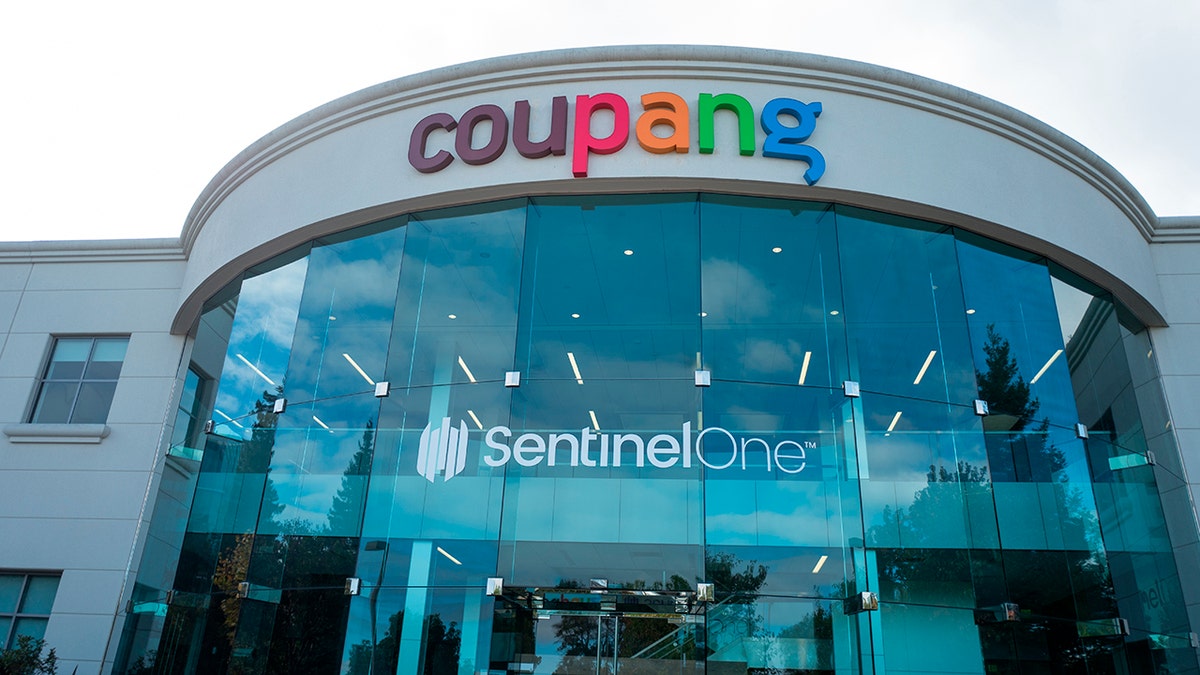
Logos of Internet company Coupang and security company SentinelOne are displayed on their shared headquarters in Mountain View, Calif., on Oct. 28, 2018. (Smith Collection/Gado/Sipa USA)
The investigation surrounded Coupang, a U.S. tech company similar to Amazon. In early June, South Korea fined Coupang roughly $410 million for a data breach – the largest fine the country has ever issued for a similar charge.
South Korea’s science ministry said that a Chinese national and former Coupang employee stole data and customer information from the American company, including information about South Korean citizens.
WILL SOUTH KOREA EXPEL THE US?
“The investigation into the case of Coupang is proportionate to the nature of the data breach and consistent with those applied to Korean companies in comparable cases,” South Korean embassy spokesperson Minseong Seo told Semafor.
In April, 50 members of the House of Representatives expressed their concern in a letter to Republic of Korea (ROK) Ambassador to the United States Kyung-wha Kang over what they deemed to be “discriminatory” business practices.
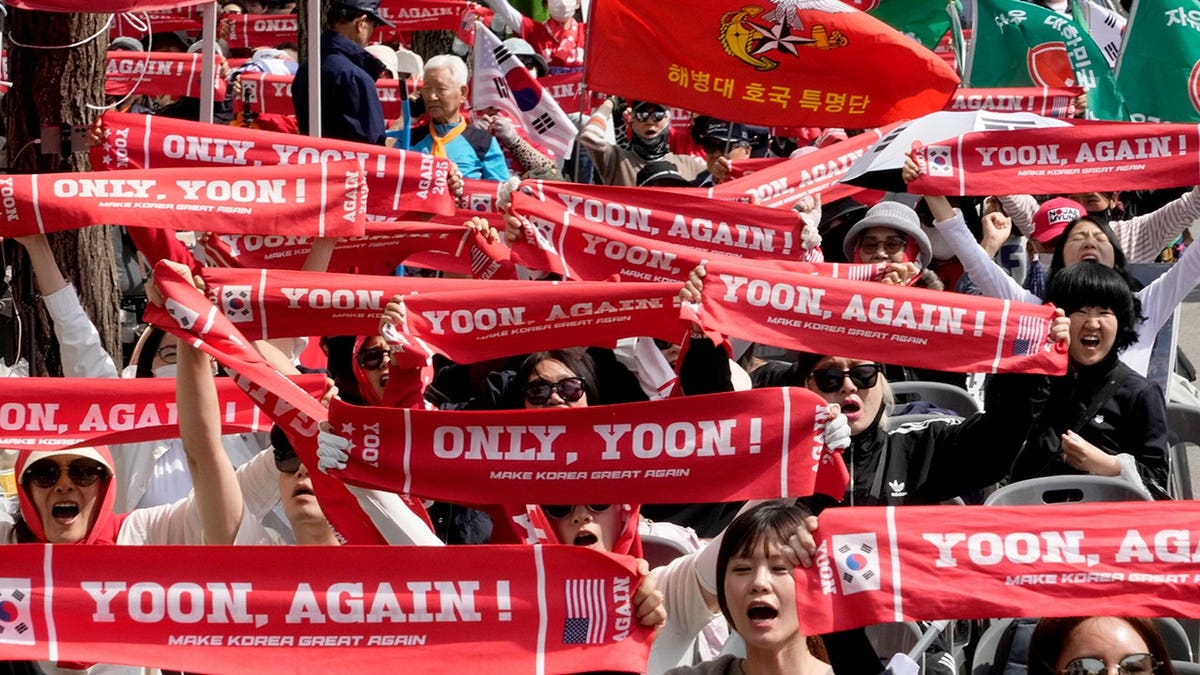
Supporters of former South Korean President Yoon Suk Yeol stage a rally outside the Seoul High Court in Seoul, South Korea, on April 29, 2026. (Ahn Young-joon/AP)
CLICK HERE TO DOWNLOAD THE FOX NEWS APP
The letter referenced a previous report from Competere that also addressed economic losses in the U.S. as a result of tighter regulations from South Korea.
“Many American tech companies have faced a range of regulatory actions that seek to punish them while shielding Korean domestic competition,” the letter reads. “Recent research by think tank Competere shows such regulatory actions by the ROK government will cost $1 trillion in combined economic damage to the U.S. and Korean economies over the next 10 years, with the U.S. economy losing $525 billion and American households losing nearly $4,000 each.”