


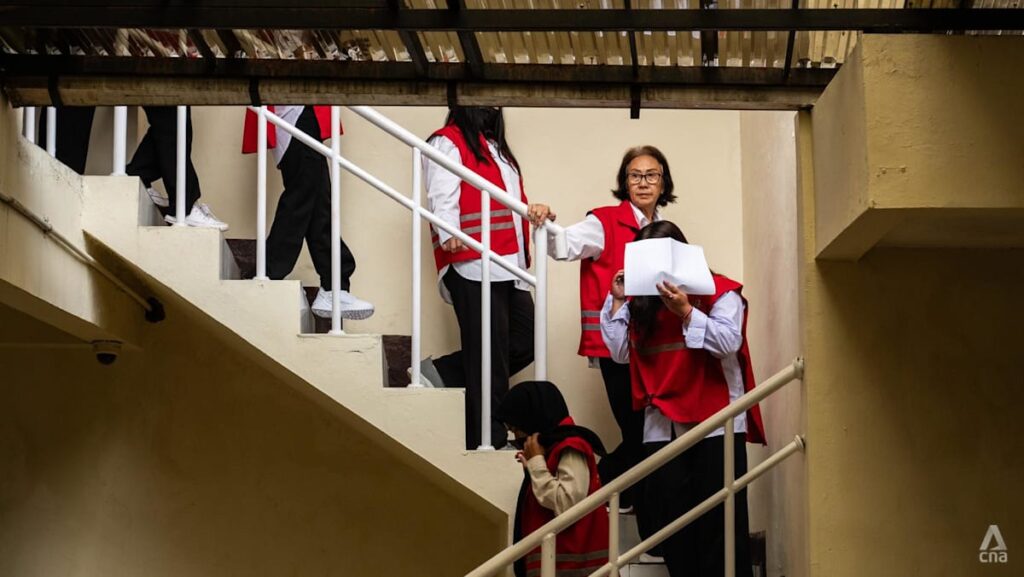
Baby trafficking has made the news in Indonesia and Singapore in recent months.
In Indonesia, many expectant mothers struggle to afford prenatal care and the costs associated with childbirth and raising a child.
According to the World Bank, around 60 per cent of Indonesia’s population – or 171.9 million people – lived on less than US$6.85 a day in 2024, the World Bank’s poverty line for upper-middle income countries like Indonesia.
Experts have told CNA that while poverty remains the biggest driver of the trade, the problem is compounded by deep social stigma surrounding abortion and widespread misunderstanding of how the legal adoption process works.
Social media has further enabled the trade, allowing syndicate members to connect directly with potential birth mothers and adopters across provinces and even national borders.
Documents and records seized by the Indonesian authorities suggest the syndicate had allegedly trafficked at least 25 children, including 15 who had already been sent to Singapore, authorities in Singapore have said.
Singapore’s Minister for Social and Family Development Masagos Zulkifli said in February that agencies were working closely with the relevant Indonesian authorities on the matter.
“When the facts are clearer, the Ministry of Social and Family Development will review whether existing adoption processes should be enhanced,” he said in a written response to a parliamentary question.
In January, Singapore’s Minister of State for Social and Family Development Goh Pei Ming said the country was working closely with relevant agencies to ensure all inter-country adoptions comply with strict legal requirements at home and in the babies’ countries of origin.