


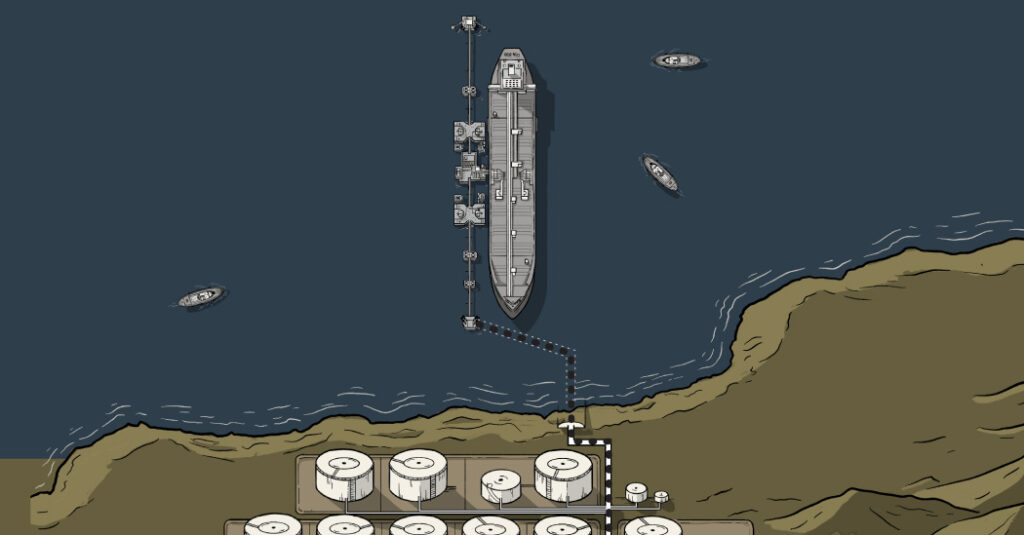
This month-long journey cannot be meaningfully sped up. Ships can sail faster, but that risks safety and uses more fuel, raising costs. Once the oil reaches land, the refining, loading and transit speeds are constrained by the existing infrastructure.
Japan is fortunate enough to have strategic energy reserves and a robust distribution system that can help it weather the energy crisis. Not every country has those advantages. In those with less developed refining, port or pipeline infrastructure, getting fuel to consumers can take even longer.
And countries that rely on others to refine their petroleum may now face even more delays because of the war as they wait for damaged equipment in the Gulf states to come back online. In March, the Philippines declared a national emergency because of disruptions in oil supplies.
Even once the Strait of Hormuz fully reopens, it may take months for shipping to return to normal. With hundreds of tankers trapped or diverted, clearing the traffic will make trips longer.
And insurance premiums for traveling through the strait — still considered a high-risk zone — will likely make some voyages economically unviable.
It is not just a matter of getting the oil flowing again. Supply chains thrown into disarray by the cutoff will need time to recover. Already, much of Asia is grappling with shortages of petroleum-derived goods like plastics, adhesives and paints.