


GOING BEYOND URANIUM
Both science and geopolitics are reasons other countries are looking at ways to reduce their dependence on uranium, whose reserves on land are estimated to last about 120 to 130 years at current consumption rates.
“Geopolitics could mean that even if uranium is available, you might not be able to buy it,” said Lin Boqiang, the dean of Xiamen University’s China Institute for Studies in Energy Policy.
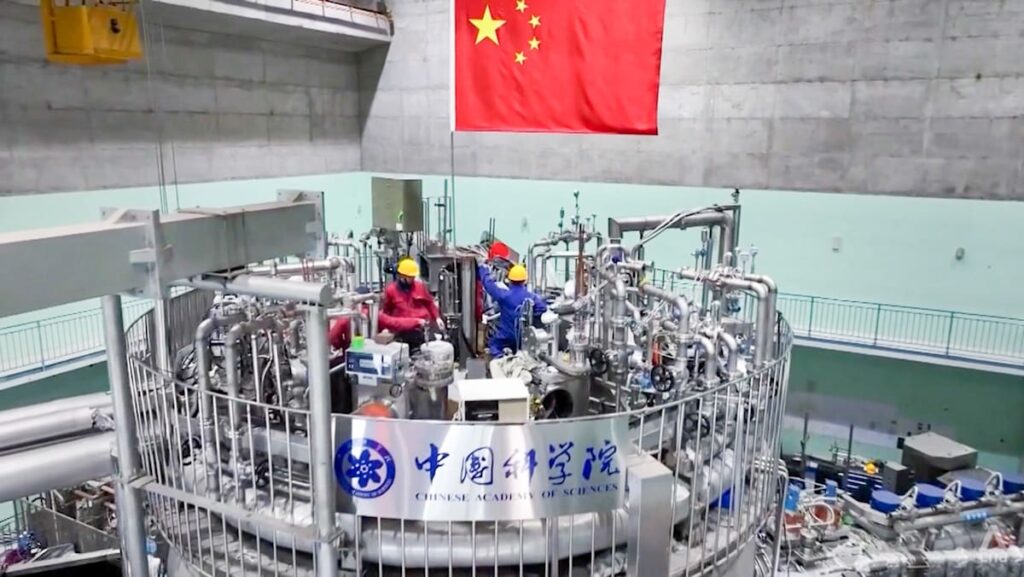
China, which imports more than 80 per cent of its uranium, is testing a molten salt reactor fuelled by thorium — a naturally occurring radioactive element — in the Gobi Desert.
Whereas water-cooled reactors must operate at high pressure, molten salt does not boil at those high temperatures. If overheating occurs, the fuel drains into a holding tank; if a leak occurs, the salt cools and hardens around the radioactive material.
Proponents of thorium say it could also yield more energy from less fuel, produce less waste, with less radioactivity, and be harder to weaponise.
According to Lin, China’s reserves could meet demand for about 10,000 years. But first come plans for a 100-megawatt-thermal demonstration reactor by 2035, which would be enough to power tens of thousands of households.