


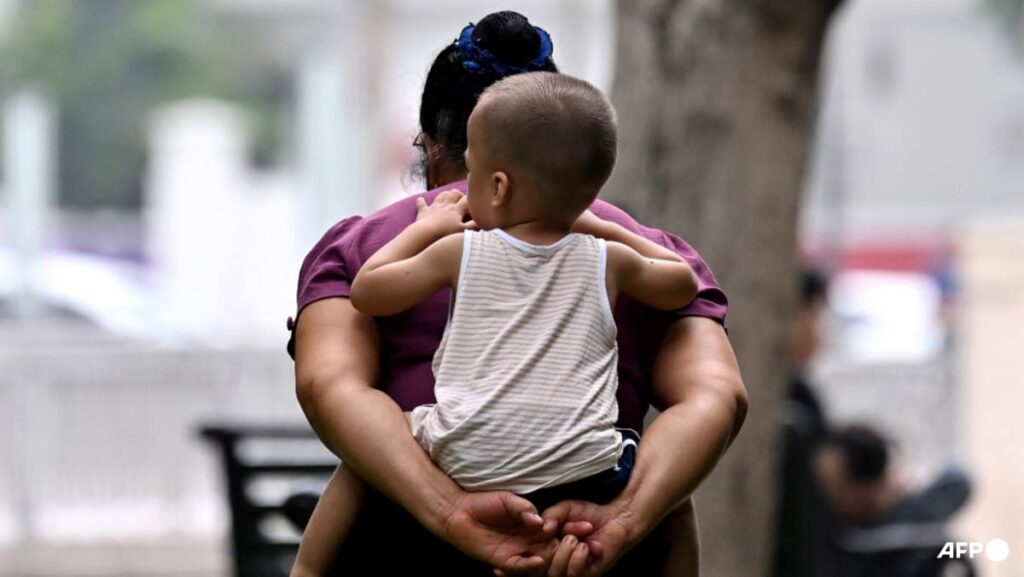
Its birth rate is below the replacement level of 2.1 children per woman, but at 1.93 is robust compared to most developed nations.
Life expectancy meanwhile has risen to nearly 75 while the share of the population over 60 has ticked over ten per cent.
By the middle of the century, the over-60 cohort will make up 25 per cent and the population will begin to shrink, according to government projections.
What worries economists is that this shift is happening at an earlier stage of development than in other rapidly ageing countries.
Vietnam is among the fastest-growing economies in Asia, but it is still relatively poor.
GDP per capita is around US$5,000 – half of Japan’s when its birth rate matched Vietnam’s in the early 1980s, and that is without adjusting for inflation.
That means Vietnam will have “less time to adapt to an aged society than many advanced economies had”, the World Bank warned in a 2021 report.
The country has a “narrow window” for reform before facing “major slowdowns in growth”, it said.
“NO WAY”
Vietnam’s leaders have framed the new population law as one answer to that challenge, touting it as a first in the region.
UNFPA’s Lan welcomed the legislation, saying it “addresses the current demographic shift” and empowers couples to make their own reproductive decisions.
However, she acknowledged the limitations of one-off benefits like cash bonuses, saying that continuous support through child-rearing is often necessary to change parents’ minds.
Without more “comprehensive support”, high housing and childcare costs will continue to “hinder people from fulfilling their desire to have children”, she said.
That tracks with one recent government survey, in which 73 per cent of married respondents said their wages influenced their decision to have children.
Tran Minh Anh, 24, who earns about US$380 per month as a cashier in Hanoi, felt similarly.
“I will not have any kids at all,” she said, adding it was “too much pressure, financially and mentally”.
“How can I take care of one more person? No way!”