


CARBON CREDITS IN SHORT SUPPLY
Another challenge is ensuring an adequate supply of high-quality carbon credits. IATA estimates that for the first phase of CORSIA, which runs from 2024 to 2026, airlines require around 200 million Eligible Emissions Units (EEUs) to meet compliance requirements.
Airlines use carbon credits to offset their carbon footprint by funding carbon reduction initiatives.
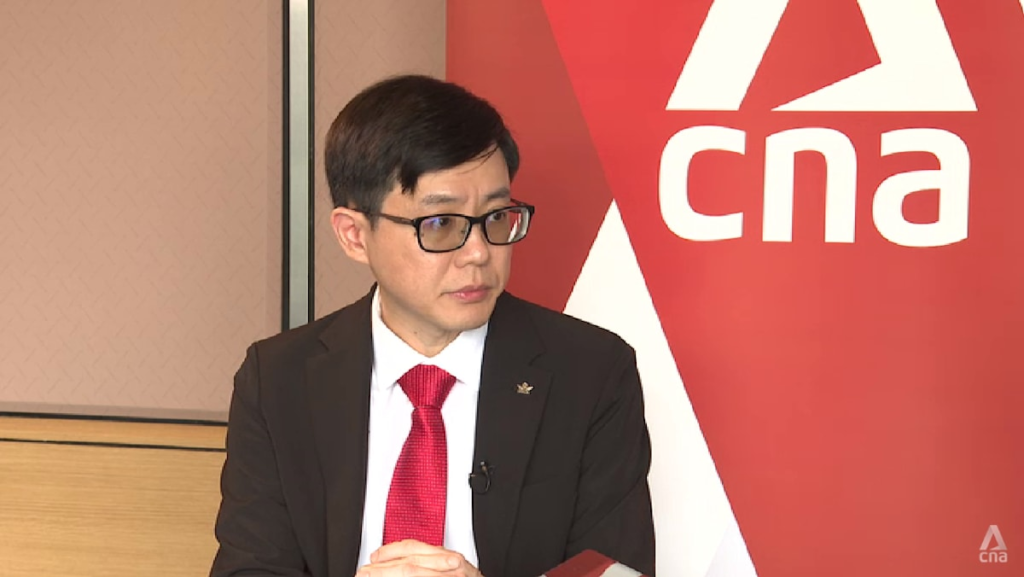
But Lee estimates that there are only about 38 million CORSIA EEUs, or about a fifth of what the market needs.
Beyond carbon credits, sustainable aviation fuel (SAF) is expected to play a key role in helping airlines meet emissions goals. The use of these fuels would mean less dependency on carbon credits.
However, only about 2.4 million tonnes of SAF will be available this year, Lee said, which accounts for around just 0.8 per cent of total jet fuel demand by airlines.
Considered an alternative to conventional aviation fuel, SAF can be produced from various sustainably sourced feedstock such as used cooking oil and biomass waste.
IATA says this could contribute up to 65 per cent of the reduction in emissions that airlines need to reach net zero CO2 emissions by 2050.
Lee said the association’s assessment found there is sufficient feedstock to produce SAF, but scaling up technology and expanding production remain among the sector’s biggest challenges.
“Asia Pacific is a very diverse region – we have many, many different types of feedstocks that could be tapped to produce sustainable aviation fuel. What we need to focus on is the pace of technology roll out,” he said.
The industry body says coordinated action on renewable energy, fuel infrastructure and policy support will be needed.