


BEFORE THE HUNT
In Lamalera, the hunt begins long before the first boat sets sail.
The annual whaling season starts on May 1, but preparations begin days earlier with a series of rituals seeking reconciliation, blessings and protection at sea.
One of the most important is Tobu Neme Fate, a sacred ceremony of reconciliation, unity and purification, which happens on Apr 29.
“Tobu Neme Fate is a tradition that, according to our customary laws, must be observed every year,” customary leader Vincentius Geleka Bataona told CNA.
“It is a time for the community to come together to discuss and prepare ourselves before going out to sea.”
The following day, members of the Langowujon clan, the traditional custodians of Lamalera’s customary rituals, perform the Ie Gerek ritual.
The ancestral ceremony is believed to summon the spirits of the whales before the hunt begins.
Later that same day, the villagers gather on Lamalera beach to honour and pray for fishermen who died or were lost at sea.
On May 1, the mood shifts from remembrance to anticipation.
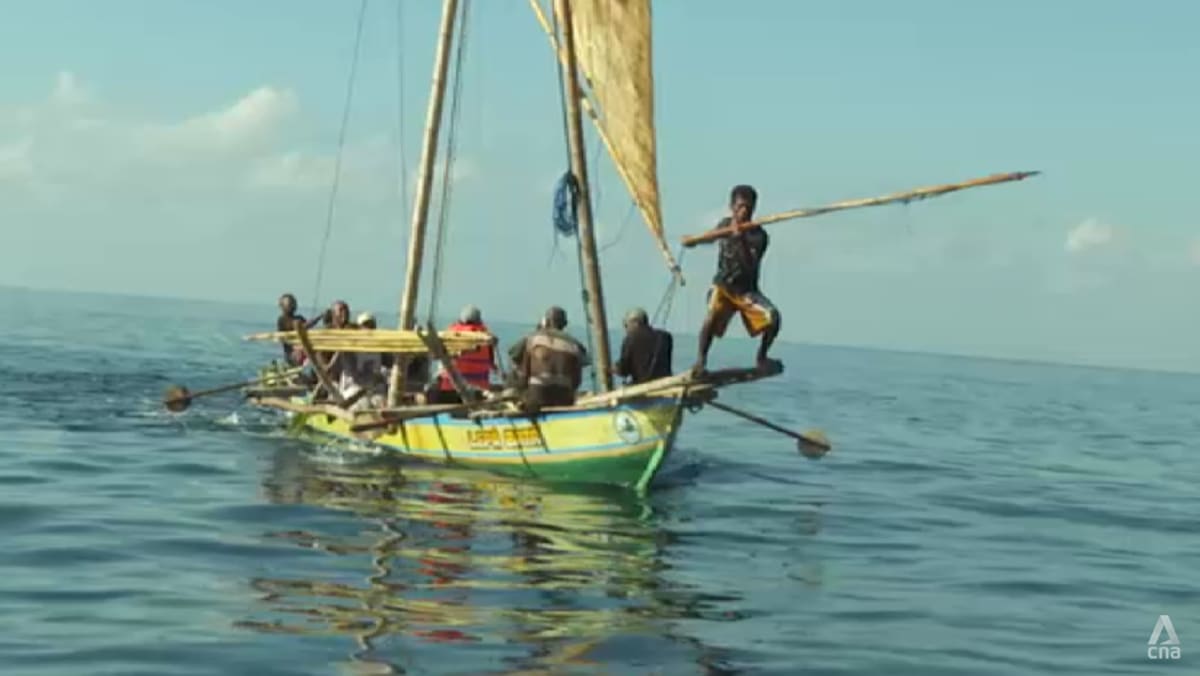
The community gathers for Misa Leva, a Catholic Mass during which the village’s traditional whaling boats – also known as peledang – and harpoons are blessed before the hunting season begins.
“It reflects one of Lamalera’s greatest strengths: bringing together the Catholic faith and a cultural tradition that has endured for centuries,” said Lamalera pastor Fransiskus Xavenius Heaven.
The ceremony is also an example of how Catholicism has become intertwined with Lamalera’s indigenous traditions.
Catholic missionaries arrived on Lembata Island in 1886, centuries after whale hunting was already practised in Lamalera.
Rather than replace local customs, the Church adapted to them, incorporating elements of the community’s traditions into its religious life.
Beyond the rituals, preparations for the whaling season also include making sure every tool is ready for the hunt.

