


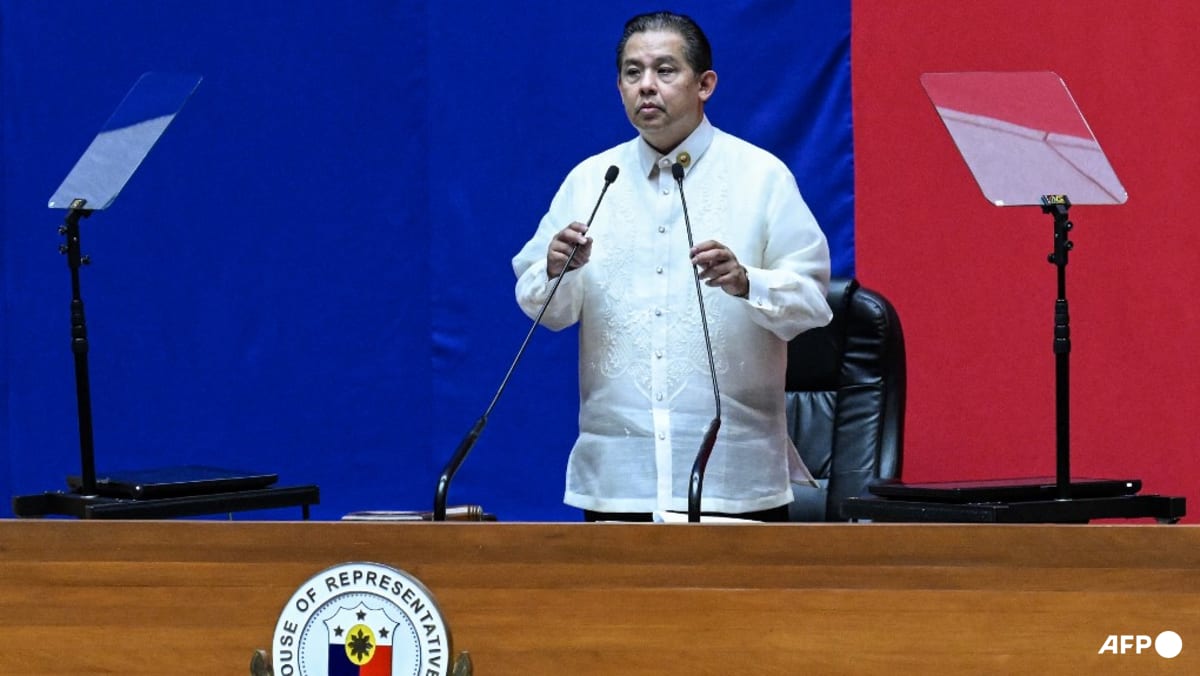
MANILA: Philippine prosecutors filed a criminal charge on Monday (Sep 7) against a lawmaker and cousin of President Ferdinand Marcos over his alleged involvement in a massive corruption scandal involving bogus flood control projects.
The case came more than a year after Marcos put the so-called “ghost” infrastructure projects, believed to have cost Filipino taxpayers billions of dollars, centre stage in a public address.
Several construction firm owners, government officials and politicians have been accused of pocketing funds from the projects.
On Monday, Ombudsman Jesus Crispin Remulla said the “plunder” case against Martin Romualdez, the Philippine president’s congressman cousin, involved a total of 7.4 billion pesos (US$117.9 million) in alleged bribes, anomalous budget insertions and project allocations.
Romualdez has repeatedly denied wrongdoing.
Plunder is a non-bailable offence referring to large-scale corruption punishable by life imprisonment.
“We don’t pick and choose, there is no name here that we’re trying to avoid. Everything here is based on evidence,” Remulla told reporters.
“This case proves that there are no sacred cows.”
Remulla said prosecutors intended to file additional cases against Romualdez and others implicated in the flood control scandal.
Romualdez’s co-respondents include former lawmaker Elizaldy Co and several others accused of conspiring to unlawfully accumulate wealth through government funds.
In a statement to reporters, Romualdez’s lawyer said his client would face the allegations against him through the courts.
“We respect the courts and the legal process,” Lawyer Ade Fajardo said.
“(Romualdez) asks only for the same due process and fair hearing guaranteed to every Filipino. Truth, evidence, and a fair process must prevail.”
In September last year, Romualdez resigned as speaker of the House of Representatives after his name surfaced in the widening investigation.
At the time, he said stepping down would allow investigators to perform their work without “undue influence”. He remains a member of congress.
Over the past year, prosecutors have filed cases against a number of sitting and former lawmakers, public works officials and construction company representatives allegedly linked to the scheme.
Corruption has long been a problem in the Philippines’ brand of free-wheeling democracy, and accounts for much of the massive poverty in the Southeast Asian nation of 112 million people.

