


But the scale and complexity of the Himalayas make that a difficult task.
“There are many, many glaciers across the Himalayas so monitoring all of them is an extremely challenging task,” said Van Wyk de Vries.
Every glacier and its surroundings are also different, with no “one-size-fits-all approach”, he said.
While glacier retreat or glacial thinning occurs gradually over years, a glacier collapse is a rapid event.
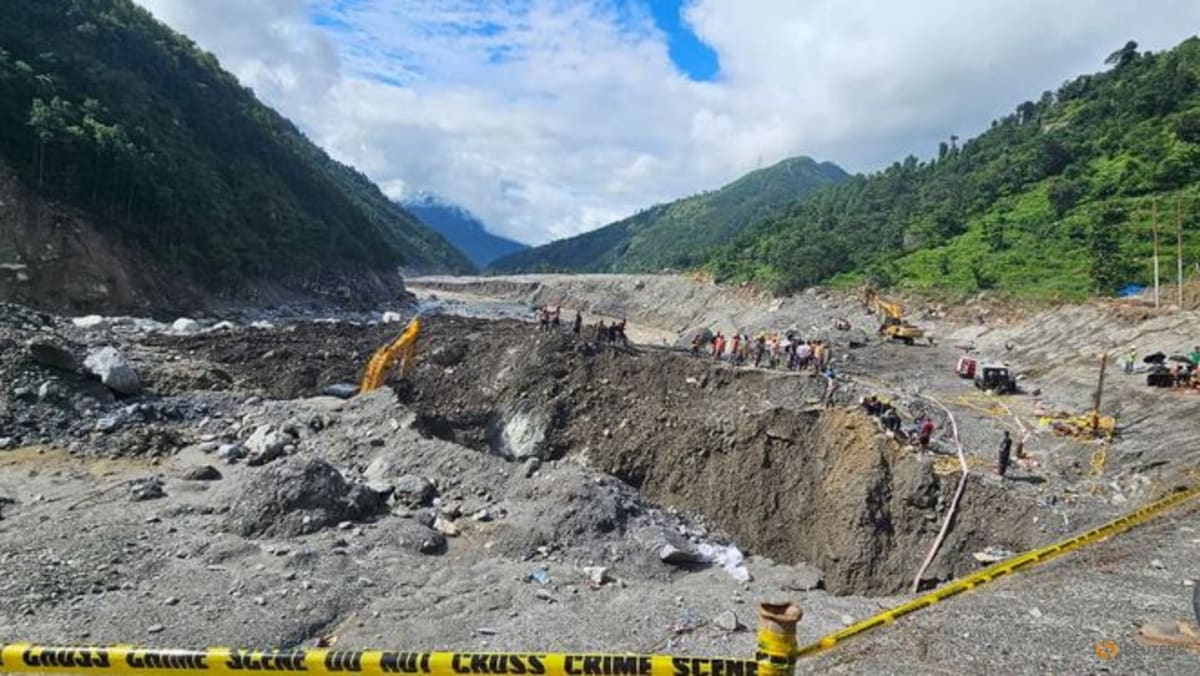
In the Nepal disaster, a landslide of rock underneath the glacier pulled some of the ice with it, although scientists are still working to understand the exact details of the collapse.
For Van Wyk de Vries, one of the biggest lessons from the disaster is that authorities should look beyond the valley where the flood occurred.
“I think what we really need to do now is take a look at this exact flood and see this flood could probably have happened in about 100 other valleys across the Himalayas,” he said.
Echoing Horton’s emphasis on warning systems and location of infrastructure, he said such considerations should be applied across the entire mountain range.

