


CHINA’S ACTIONS REINFORCE THE LOGIC
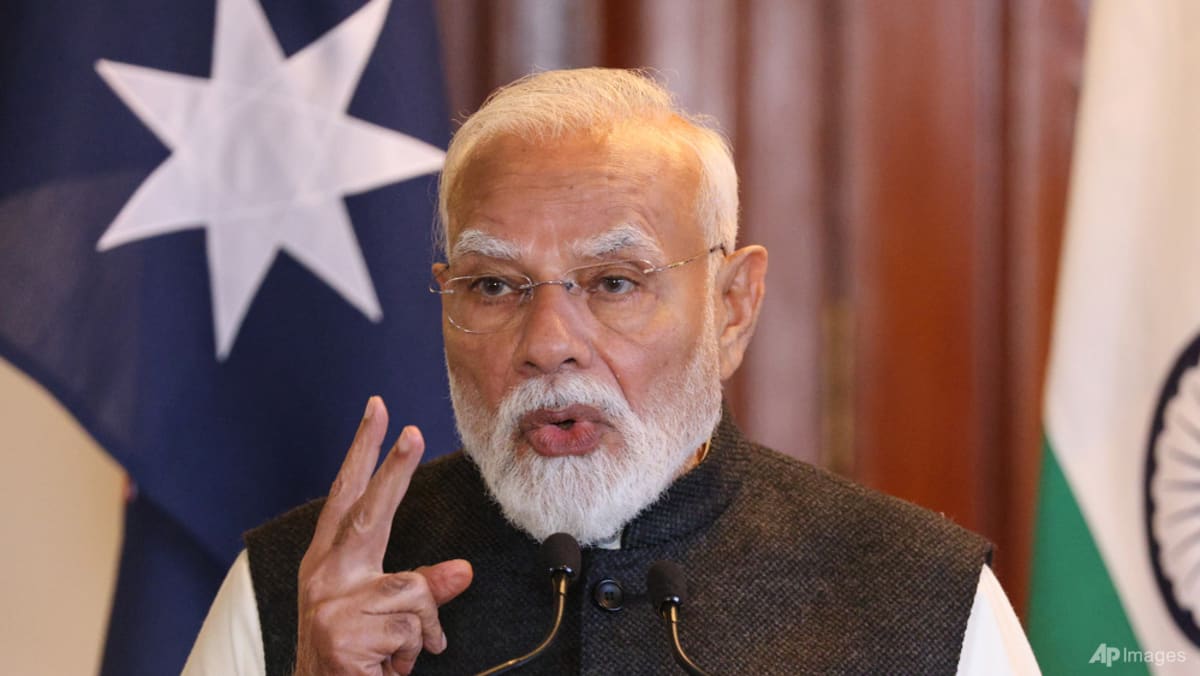
These deeper relationships are producing tangible results. The Melbourne leg of Mr Modi’s swing was a particularly significant illustration. It was Mr Modi’s third visit, and the summit language moved from framework-building to delivery, with 18 outcomes ranging from a uranium supply deal to defense-industrial and critical minerals corridors.
“That’s a relationship past the ‘untapped potential’ stage as Australians used to describe it,” Ms Pandalai told me.
Australia gains from diversification and reducing dependence on China and by deepening relations with a maritime partner with genuine Indian Ocean reach that Australia cannot build alone, she said. “Being seen as a country that can hold India close gives Canberra standing as a serious independent actor in the Indo-Pacific, not just a US-alliance partner.”
China’s missile test on Jul 6 only reinforced that logic. Two days before Mr Modi met Australian counterpart Anthony Albanese, China test-fired a submarine-launched intercontinental ballistic missile 7,300 km into waters comprising the South Pacific Nuclear Free Zone. It landed approximately northeast of the Solomon Islands, between Nauru and Tonga and close to Tuvalu.
It is unlikely that the missile test was deliberately scheduled to coincide with the third Australia-India leaders’ summit, Carlyle Thayer, Emeritus Professor at the University of New South Wales in Canberra wrote to me in an email. “But it had the effect of reinforcing the importance of Australia’s growing defence relationship with India.”

