


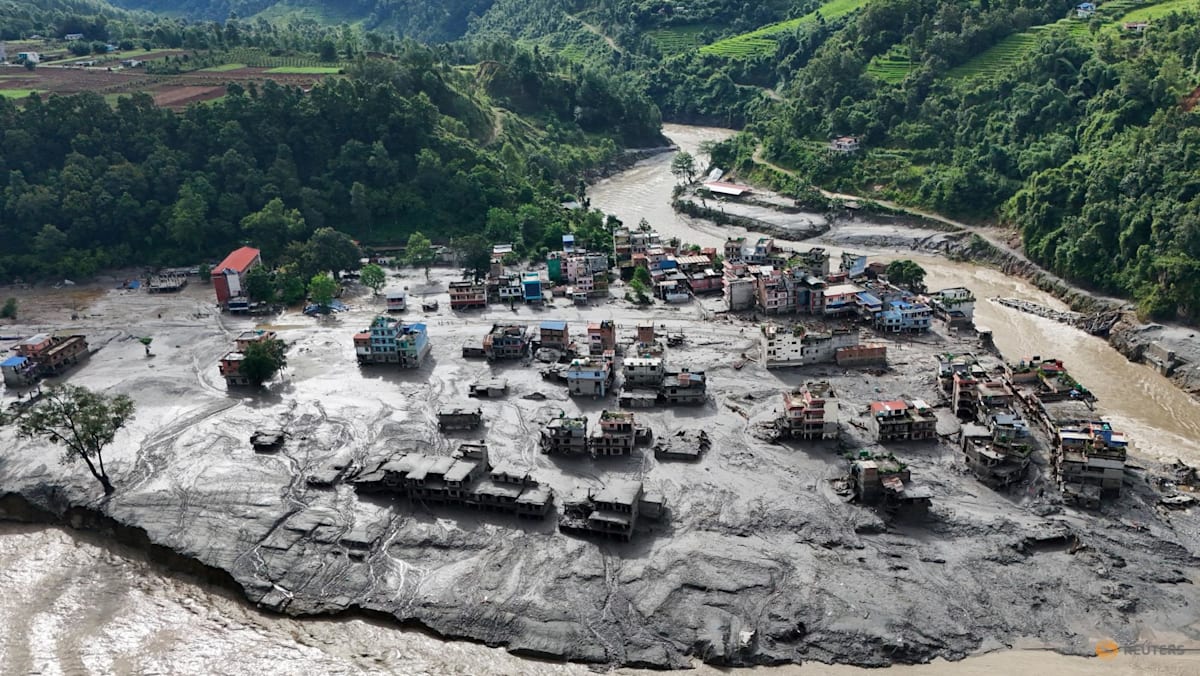
MEASURE RECOVERY, NOT ONLY DAMAGE
Governments are generally good at recording immediate losses: damaged buildings, displaced people, destroyed infrastructure and financial costs. But they also need to know what remains unrepaired months or years later.
Recovery monitoring needs to include housing, infrastructure functionality, business activity, household finances, public services and displacement. The question should not stop at “how much did we lose?” It should continue with “how much vulnerability remains?”
Disasters are not isolated occurrences. Floods, wildfires, droughts and storms are often assessed separately. These assessments are essential, but communities experience these hazards through the same infrastructure, economy and population.
The road damaged by one event may be needed for evacuation during the next. An electricity system weakened today may be supporting hospitals or water services tomorrow. Risk assessments should therefore consider plausible hazard sequences and the condition critical systems may be in when another disaster hits. This does not mean predicting the exact order of future disasters. It means abandoning the assumption that every new disaster meets a fully recovered system.
Recovery should not be seen only as the final stage of the disaster that just happened. It is also preparation for whatever comes next. Restoring infrastructure, supporting households and reopening essential services quickly can reduce the vulnerability carried into the next event.
But simply rebuilding the same vulnerable systems recreates the same risks. Recovery should therefore combine speed with adaptation: stronger infrastructure, better redundancy, improved emergency planning and greater support for communities that would otherwise take the longest to recover. Recent research shows that the government plays a critical role in ensuring rapid, efficient and effective recovery.
While asking “how severe could the next disaster be?”, we should also ask “how recovered will we be when it arrives?” Because the next disaster does not start from zero. It inherits what the last one left behind.
Taha Rezaei is a Postdoctoral Researcher in Environment and Civil Engineering at University of Exeter. Mark Maslin is Professor of Earth System Science at UCL. This commentary first appeared on The Conversation.

