


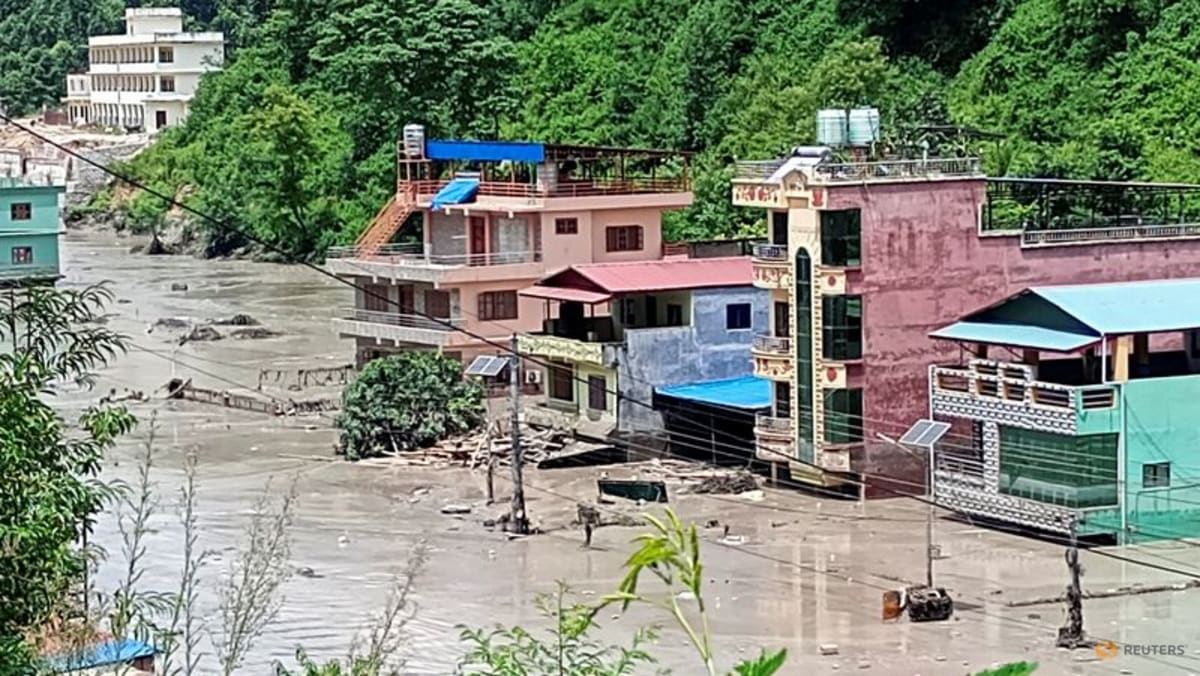
CAN THESE DISASTERS BE PREVENTED?
No one died when the Swiss glacier collapsed. That’s because early warning systems were in place. Authorities evacuated residents before it fell.
As temperatures rise and climate-related disasters become more frequent or severe in some regions, early warning systems will become increasingly important for villages and towns located near glaciers or thawing permafrost.
These systems can monitor rapidly rising river levels, intense rainfall and seismic waves to alert authorities before disaster strikes.
However, installing and maintaining effective early warning systems can require significant investment. That’s a challenge for lower-income and developing countries. In good news, the Green Climate Fund last year announced funding for better monitoring systems in Nepal.
There’s another problem, too. Meltwater from Himalayan glaciers feeds rivers that are vital to billions of people across Nepal, Pakistan, India and China.
As the climate warms, increased glacier melt can temporarily increase river flows and, in some places, contribute to flood risk. But as glaciers continue to shrink, their contribution may eventually decline and lead to less water availability – particularly during the dry season.
Rapidly reducing greenhouse gas emissions, investment in early warning systems and better monitoring of vulnerable mountain regions can help communities prepare. These measures cannot prevent every disaster, but they can save lives and give people a better chance to adapt to a changing climate.
Levan Tielidze is Research Fellow in Glacial Geomorphology at Monash University. This commentary first appeared on The Conversation.

