


Since the February election, Delhi has been working to improve ties, inviting Rahman to attend the BRICS summit in New Delhi in September. But the latest developments now leaves Rahman’s attendance less certain.
Dhaka has repeatedly sought Hasina’s extradition from India. New Delhi has not complied, leaving Hasina’s presence in India as one of the many persistent sources of tension between the neighbours.
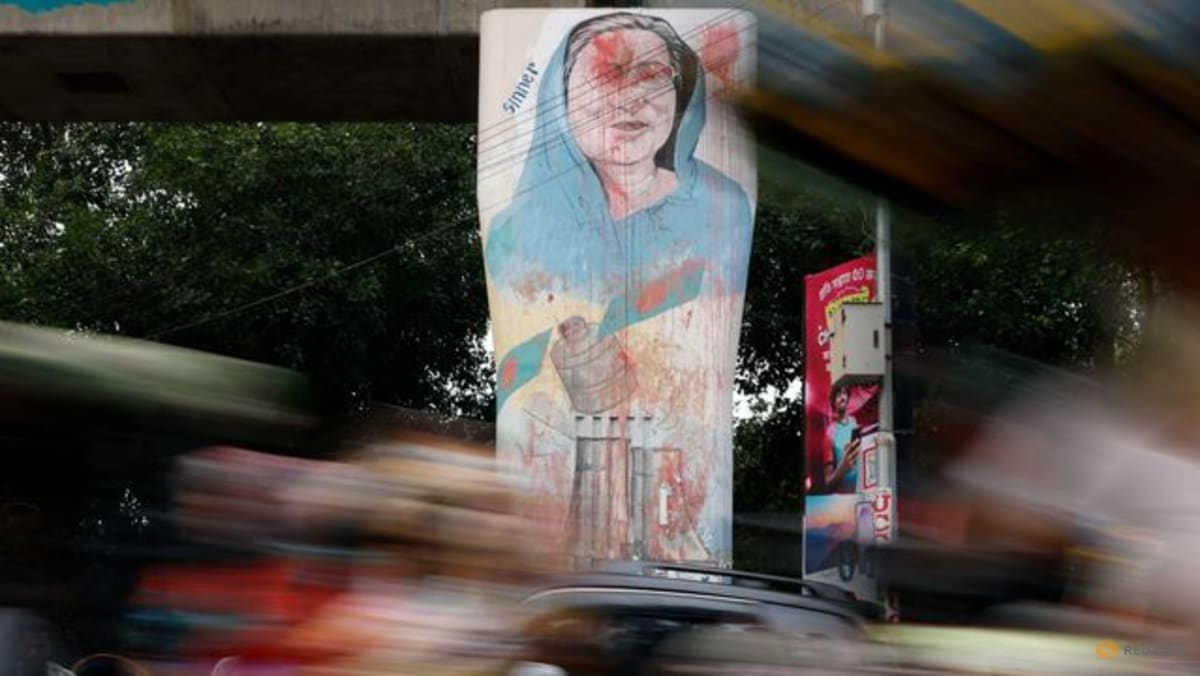
Her latest address has only made this worse. Rahman was angered that the event was allowed to go ahead, while Indian officials said the government was not involved in the private gathering. Protests subsequently broke out across Bangladesh.
A TEST FOR INDIA
While India-Bangladesh ties are resetting, Bangladesh-China ties continue to expand. Rahman chose China for his first major foreign visit as prime minister, meeting President Xi Jinping in June to seek Chinese support for infrastructure and economic development. Bangladesh’s embassy in Beijing states that “both the countries share identical views on most international and regional issues”.
That makes Hasina’s return more than a domestic political move. It is another test of India’s relationship with a strategically vital neighbour.
New Delhi faces a difficult choice. Continuing to shelter Hasina preserves its relationship with a former ally, but risks deepening mistrust with Rahman’s government and pushing Bangladesh closer to Beijing.
The impact on India-Bangladesh relations may therefore depend less on whether Hasina actually returns in December than on what her presence in India represents: the unresolved legacy of Bangladesh’s political transition and Dhaka’s long term concerns about India’s presence in its internal affairs.
Grace Corcoran is the Senior Policy and Projects Manager – Geopolitics and Security at the Australia India Institute. This commentary first appeared on the Lowy Institute’s blog, Interpreter.

