


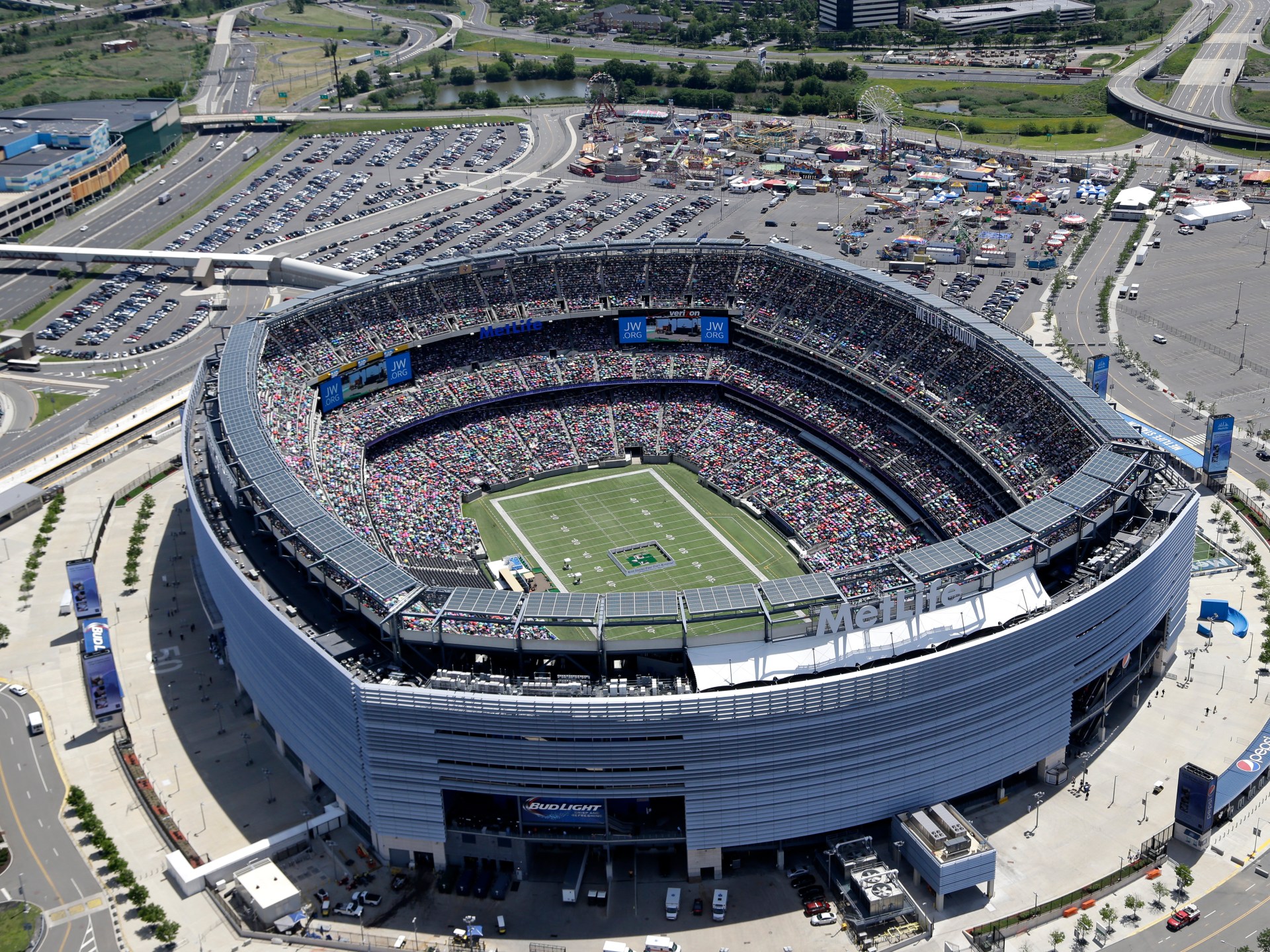

New York Mayor Mamdani was among those critical of FIFA’s decision to ban water bottles at World Cup stadiums.
Published On 7 Jun 2026
FIFA has made changes to its stadium policy, allowing fans to bring disposable water bottles into match stadiums after a ban earlier this week drew backlash from supporters and tournament host city officials.
FIFA’s initial policy permitted fans to carry empty, transparent, reusable plastic bottles up to 1 litre (34oz). However, the governing body made a U-turn on that policy on Thursday and banned fans from carrying reusable water bottles into venues due to safety concerns.
Recommended Stories
list of 4 itemsend of list
The move essentially meant fans would have to buy water or soft drinks from concession stands in the stadium, where prices would “remain consistent with other events held at each stadium”, according to FIFA.
The backlash prompted FIFA to issue what it called a “clarification” on its stadium policy, saying: “All fans will be permitted to bring in one soft, plastic, 20-ounce (590ml), factory-sealed disposable water bottle into any FIFA World Cup 2026 match in the USA and Canada.
“Fans will not be permitted to bring in hard-sided, reusable water bottles due to safety and security reasons.”
The updated policy made no mention of the policy for stadiums in Mexico.
New York City Mayor Zohran Mamdani was pleased with FIFA’s decision to reverse the water bottle ban.
“No one should have to fear being priced out of being hydrated, especially fans who are often waiting for hours before a game in extreme heat,” said football fanatic Mamdani, who has championed equitable prices for this World Cup in his home city. Last month, he made 1,000 tickets costing $50 available to city residents as match tickets reached well into four figures.
Forecasters have warned that fans could face health risks from extreme heat at open-air venues during the World Cup, which is being cohosted by the United States, Canada and Mexico from June 11 to July 19.
A report published by the World Weather Attribution research group last month estimated that 26 of 104 games at the World Cup are likely to be played in conditions where the Wet Bulb Global Temperature (WBGT) exceeds 26 degrees Celsius (78.8 degrees Fahrenheit).
WBGT is a measure of heat stress on the human body, which combines temperature, humidity, wind and sunlight.
At last year’s FIFA Club World Cup in the US, where fans complained of searing temperatures, supporters were also barred from bringing water bottles into venues.
FIFA has noted that misting stations, fans, hydration stations and cooling tents would be available in “the stadium footprint”.
Fans at the 2022 Qatar World Cup were also not permitted to bring reusable water bottles into stadiums.

