


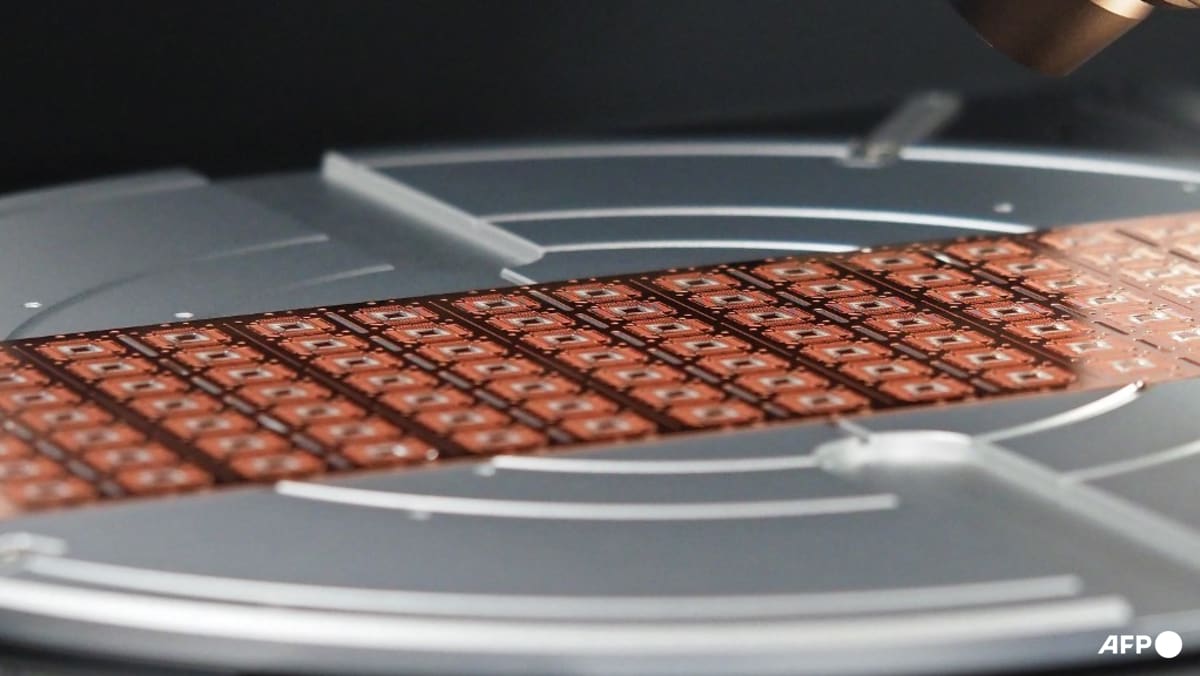
NEW DELHI: India approved a new semiconductor programme on Wednesday (Jul 15), offering more than US$13 billion in financial assistance to accelerate local chip production, as it seeks to become a global electronics powerhouse.
India’s Union Cabinet approved the “Semicon 2.0” initiative, expanding on a drive launched five years ago to reduce reliance on imports and attract investment in one of the world’s most strategically important industries.
It comes as countries race to secure semiconductor supply chains following pandemic-era disruptions and growing geopolitical tensions that exposed vulnerabilities in global chip production.
The programme will focus on strengthening the local semiconductor ecosystem, encouraging domestic production of key materials and attracting global manufacturers to establish fabrication plants in India.
The plan recognised the need for “sustained and long-term support” to the industry and aimed to place India “on the semiconductor map of the world”, the cabinet said in a statement, without providing more details on how the money will be used.
An earlier semiconductor incentive scheme “Semicon 1.0”, which was unveiled in 2021, offered support covering up to half the cost of setting up chip projects.
The incentives helped launch 12 manufacturing projects across fabrication, packaging and related segments, with at least three already entering commercial production.
Among them is a semiconductor assembly and test facility established by US memory giant Micron Technology.
India’s chip market has grown from about US$38 billion in 2023 to an estimated US$45-50 billion in 2024-25.
The government is targeting a market size of US$100-110 billion by 2030.

