


Perth-based biotech Miro Sciences, formerly NeuroScientific Biopharmaceuticals, has cleared a significant manufacturing hurdle in its quest to bring a new cell therapy to patients with refractory Crohn’s disease, after Australia’s Therapeutic Goods Administration (TGA) completed an audit of its manufacturing partner’s facilities.
The inspection at Brisbane-based Q-Gen Cell Therapeutics covered the production of Miro’s “StemSmart” product, a patented stem cell technology platform. The company says the milestone paves the way for scaling up clinical-grade StemSmart production ahead of its planned phase two clinical trial, which it aims to kick off before the end of 2026.
Miro’s technology has its roots in Western Australia, having been developed at Royal Perth Hospital using stem cells sourced from adult human donor bone marrow. The patented process is designed to supercharge the cells’ therapeutic activity and rein in the overactive immune responses responsible for severe and chronic inflammatory conditions. Notably, as universal donor cells, they require no patient matching, positioning StemSmart as a potential off-the-shelf intravenous infusion.
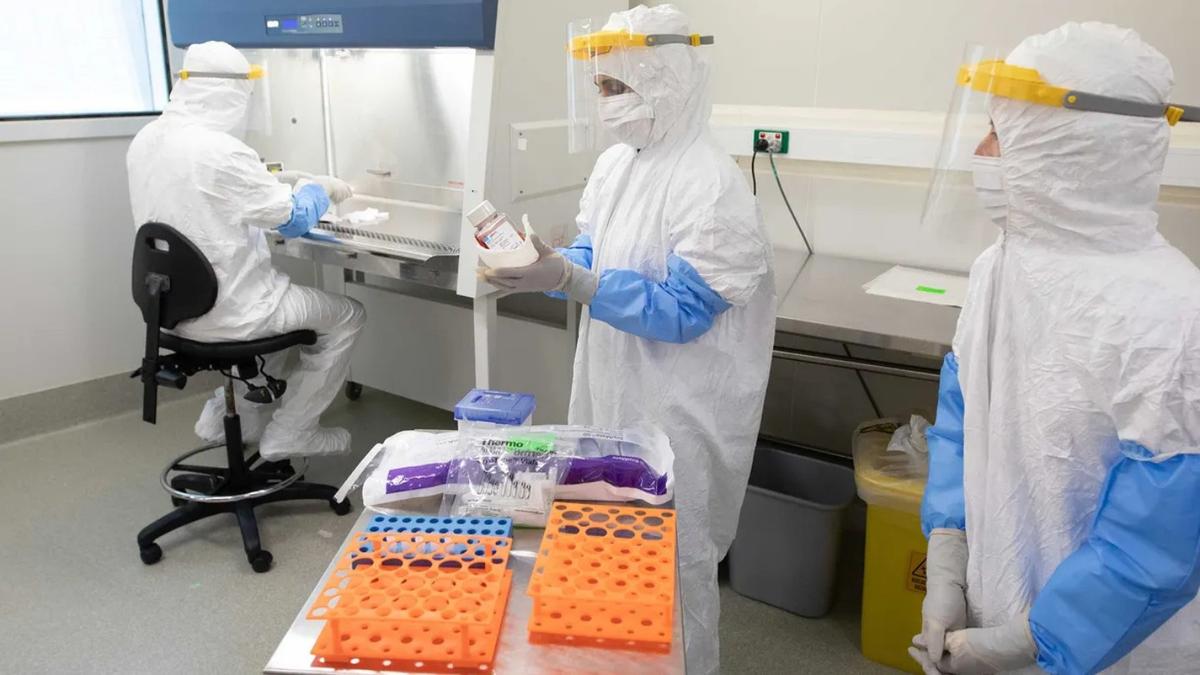
Miro’s decision to contract Q-Gen underscores the seriousness of its manufacturing scale-up. Based at the prestigious QIMR Berghofer Medical Research Institute in Brisbane, Q-Gen is one of the biggest cell therapy contract manufacturers in Australia. The company holds its own TGA licence for cell therapy manufacturing, has more than 25 years of industry experience, and operates 13 dedicated cleanrooms for cell manufacturing and quality control.
For any company developing a late-stage biological therapy in Australia, getting the manufacturing right is a critical step. The TGA generally requires such products to be made under strict good manufacturing practice (GMP) standards, making a completed regulatory inspection a key de-risking event on the path to human trials.
The TGA inspection of StemSmart manufacturing at Q-Gen demonstrates that we are on target with our technology transfer and represents an important step towards TGA licensure of our MSC product. It is a significant milestone in our preparations for the upcoming clinical trial in refractory Crohn’s disease and was only achievable through the hard work of both the MSX and Q-Gen teams, along with ongoing communications with the TGA.
The latest TGA milestone adds to a growing list of wins for Miro as it puts the finishing touches on preparations for its clinical program. In October, the company received positive feedback from the United States Food and Drug Administration (FDA), following a Pre-Investigational New Drug submission meeting. It also appointed leading clinical research organisation Southern Star Research to conduct the trial, which is planned to include patients in both Australia and the US, subject to regulatory approvals.
The company has initially set its sights on refractory Crohn’s disease, a lifelong, incurable condition involving chronic gut inflammation that affects an estimated 6–8 million people worldwide. Around 30 per cent of patients become refractory, meaning their disease no longer responds to conventional therapies. A similar proportion develop fistulas — abnormal tracts that can form between the bowel and other organs or the skin.
Confidence for the new trial is underpinned by encouraging early data. A previous phase two trial in refractory Crohn’s disease suggested Miro’s StemSmart MSCs were potent, safe and efficacious, reporting a hefty 78 per cent overall clinical response rate, with an impressive 44 per cent of patients achieving remission.
The use of MSCs is a hot area of research for inflammatory bowel disease, with external studies indicating they account for more than 70 per cent of stem-cell interventions in clinical trials for the condition globally. However, the field remains in its infancy, making robust safety and efficacy data from controlled phase two trials, such as the one Miro is planning, critical to establishing the technology’s therapeutic potential.
The focus on Crohn’s disease represents a significant strategic pivot for the company, which spent years developing its “EmtinB” peptide for neurodegenerative conditions. After acquiring the StemSmart technology platform in mid-2025, it rapidly reoriented its clinical focus.
With the TGA inspection now in the bag, a key partner locked in to run the trial and positive signals from US regulators, Miro Sciences appears to be systematically ticking the boxes needed to advance its promising cell therapy into the clinic. For patients suffering from the debilitating effects of treatment-resistant Crohn’s disease, that progress can’t come soon enough.
Is your ASX-listed company doing something interesting? Contact: matt.birney@wanews.com.au

