


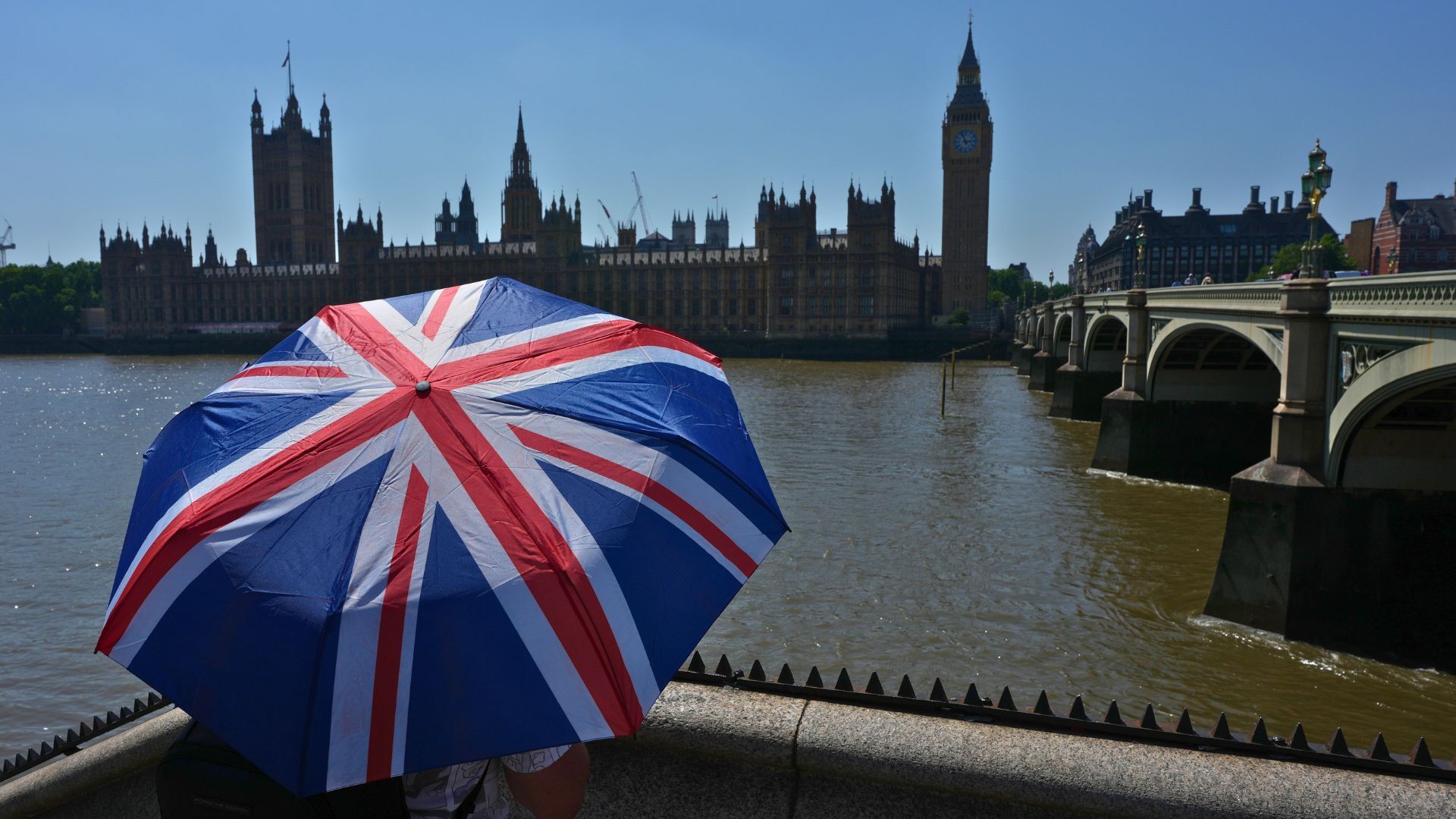
The UK has experienced two record heatwaves this year, with temperatures in England reaching 35.1C in May and 37.7C in June.
Published On 13 Jul 2026
More than 2,700 deaths across England and Wales have been linked to unprecedented heatwaves in the United Kingdom in May and June, according to new research.
There were 550 heat-related deaths between May 21 and 29, and nearly 2,200 people died between June 18 and 28, scientists estimated in the study published on Monday.
Recommended Stories
list of 3 itemsend of list
Researchers from Imperial College London, the Met Office and the London School of Hygiene and Tropical Medicine used weather data, climate models and studies on excess deaths during the extreme weather to arrive at their estimate.
The UK Health Security Agency (UKHSA) said it would publish its official estimate of heat-related deaths in the coming weeks, based on death records from recent heatwaves.
Climate change driving heatwaves
The UK and much of Europe have already experienced two record-breaking heatwaves this year, with temperatures in England reaching 35.1C (95.2F) in May and 37.7C (99.9F) in June.
“They were extreme heatwaves for the UK, and for all parts of Western Europe, and they’re particularly exceptional for the timing and how early in the year they occurred,” said Mark McCarthy, the science manager at the Met’s climate attribution team.
Scientists emphasised the role of climate change in making heatwaves more intense and frequent.
They estimated that maximum daytime temperatures were up to 4C (7.2F) higher than they would have been without global warming.
The Climate Change Committee (CCC), the body responsible for advising the British government on climate change, warned last year that the UK was “not ready” to deal with the consequences of climate change.
Lea Berrang Ford at UKHSA’s Centre for Climate and Health Security says the study released on Monday would “help illustrate the scale of risk associated with extreme heat and the growing threat climate change poses to our wellbeing”.
In a report published in May, it estimated that 92 percent of British homes could be too hot by 2050.
It said the government should set maximum temperature limits in the workplace, as well as invest in air conditioning for public buildings such as hospitals and schools in preparation for extreme weather.
The research on heat-related deaths in the UK comes as data showed that more than 10,000 excess deaths were recorded across Europe during the heatwaves across the west of the continent in late June.
EuroMOMO, a network backed by the European Centre for Disease Prevention and Control and the World Health Organization, said most of those deaths were among people aged 65 and above, with 9,000 excess deaths reported in that age range.
Scientists pooled national mortality statistics from 27 European countries in June and concluded that, without other notable factors such as COVID-19 outbreaks, the heatwave is most likely to have contributed to the spike of 10,650 excess deaths between June 22 and 28.

