


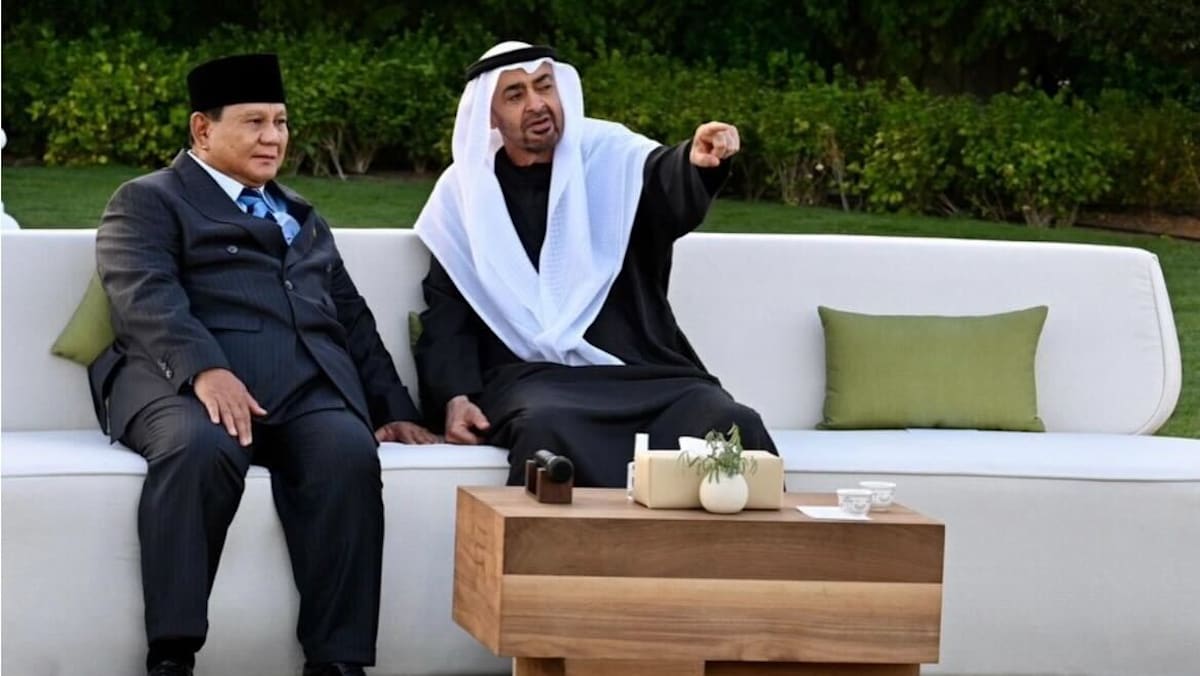
Prabowo added that in many cases, the direct presence of a head of state is a decisive factor in economic negotiations, particularly those related to trade and investment.
“In the end, I have to be there,” he said.
He added that negotiations often reach a deadlock at the technical level and in such situations, strategic decisions can only be made through direct communication between national leaders.
“Sometimes in negotiations, they always say they need to report to their top leader. There are important matters that must be discussed directly between the heads of state,” he said.
Prabowo cited Indonesia’s success in gaining access to the European Union (EU) and Canadian markets through economic cooperation schemes, which have allowed several key Indonesian exports such as textiles and footwear to enjoy zero tariffs after previously facing trade barriers.
Without direct intervention at the head-of-state level, he said, Indonesia’s domestic manufacturing sector could have come under serious pressure.
“Our shoes and textiles were once under threat, but now we have secured alternatives. If I had not gone directly to meet the King of Belgium, the King of the Netherlands, or EU leaders, we might not have broken through,” he said.
The high frequency of visits reflects a changing global landscape that increasingly prioritises economic strength, which is key in determining a country’s standing, he added.
“If our economy is strong, we cannot be pushed around,” he said.

