


Cheese is a common fixture of nearly every meal eaten in Quebec, according to a major new study of Quebecers’ eating habits.

Funded by the Quebec government, the NutriQuébec project collected information from nearly 7,000 participants who reported more than 26,000 meals over the past few years.
The data from the study, which describes itself as the biggest project of its kind on the nutrition and health of the Quebec population, will help shape strategies encouraging healthier eating, Benoît Lamarche, lead researcher for NutriQuébec, said in a recent interview.
“This allows us to identify dietary patterns observed in the population, as well as sources of saturated fat and salt, with greater precision,” said Lamarche, professor in the agriculture and food science faculty at Université Laval and director of the school’s NUTRISS Centre.
Published on Tuesday, the study says the four foods most commonly consumed by Quebecers as snacks are, in order, apples, potato chips, cheese, and bananas. Cheese stands out for its frequent presence at nearly every meal, the report noted.
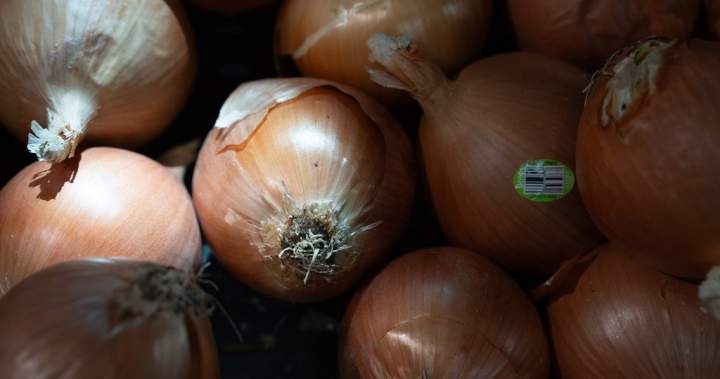
Onions, tomatoes, and carrots occupy the top three spots among the most popular vegetables. The report highlights they are found in many recipes, are affordable and have a comparatively long shelf life. Berries — strawberries, raspberries, blueberries, blackberries — top the list of most-consumed fruits, ahead of bananas, apples, and grapes.

Get breaking National news
Get breaking Canada news delivered to your inbox as it happens so you won’t miss a trending story.
Quebecers may not realize that their consumption of bread contributes almost as much sodium to their daily diet as seasonings, condiments, and sauces, Lamarche said.
“To say we’re going to tackle salt, we need to know, on the one hand, what the problem is with salt in the diet, and which foods contribute to this overconsumption,” he said.
Fewer than two in ten Quebec adults consume less than 2,300 milligrams of sodium per day, the maximum threshold recommended by Health Canada to reduce the risk of chronic diseases. The same is true for saturated fat: fewer than two in ten project participants consumed less than 10 per cent of their energy intake in the form of saturated fat, a limit set by Health Canada to promote good cardiovascular health.
The situation is no better when it comes to free sugars, as the report reveals that 60 per cent of adults consume less than 10 per cent of their energy intake in the form of free sugars — the maximum threshold recommended by the World Health Organization to reduce the risk of obesity and dental cavities. Free sugars are sugars added to food and drinks or are naturally present in honey, syrups and fruit juice. They exclude natural sugars in whole fruits or vegetables.
Finally, only 36 per cent of adults consumed at least five servings of fruits and vegetables per day, a proportion below the target set by Quebec government guidelines, which aim for more than 50 per cent of the population to reach this threshold, according to the report.
The new report, Lamarche said, will help inform government policy and strategies to encourage healthier eating.
“It allows us to say, here is the dietary profile. Now, how can we develop on-the-ground initiatives that will truly benefit the health of Quebecers through diet?” he asked.
© 2026 The Canadian Press

