


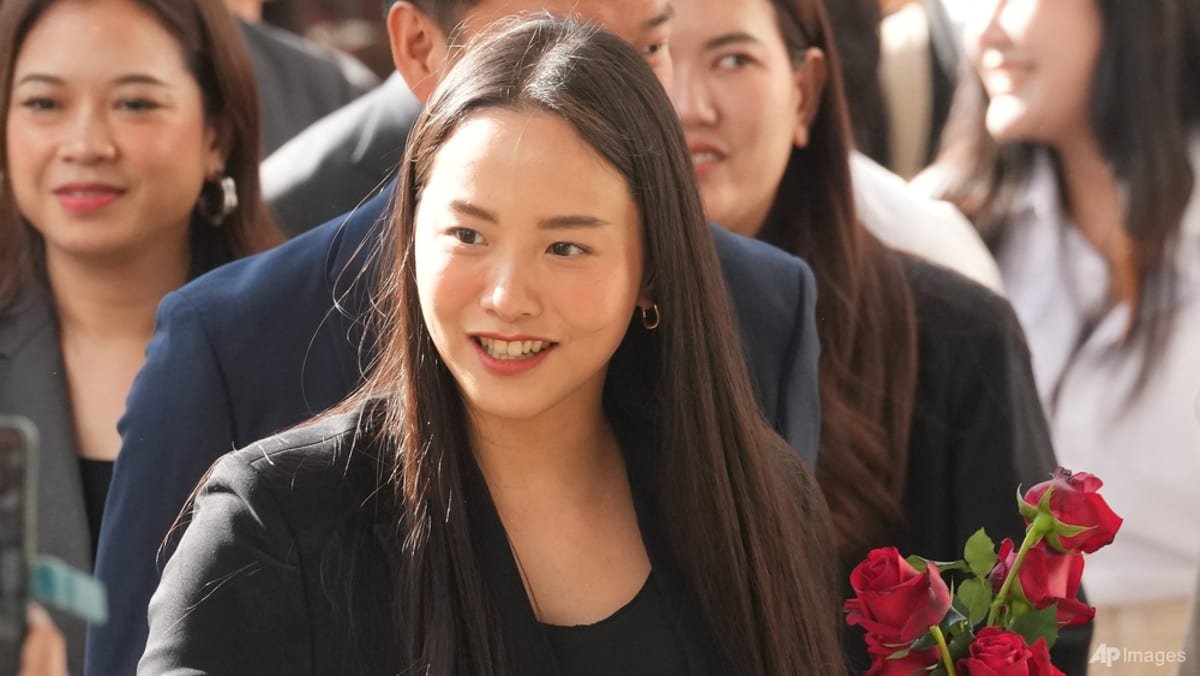
The two posts were shared in 2021 on X, then known as Twitter. One reportedly criticised the monarchy over its links to a coronavirus vaccine, while the other was a repost of an anti-monarchy message. Rukchanok has denied writing the posts herself.
The court’s decision, though expected, underlines that Thailand’s political establishment remains conservative and is sensitive about any perceived threats to the status of the country’s monarchy. The progressive People’s Party is now the main opposition in Parliament after finishing second to the conservative Bhumjaithai Party in this year’s election.
The lese majeste law, also known as Article 112 of the Criminal Code, is controversial not only because it has been used to punish things as simple as liking a post on Facebook, but also because anyone – not just royals or the authorities – can lodge a complaint that most of the time leads to detention during lengthy legal proceedings.

